





We create designs that help grow your business experience.
[Mobile App Development]
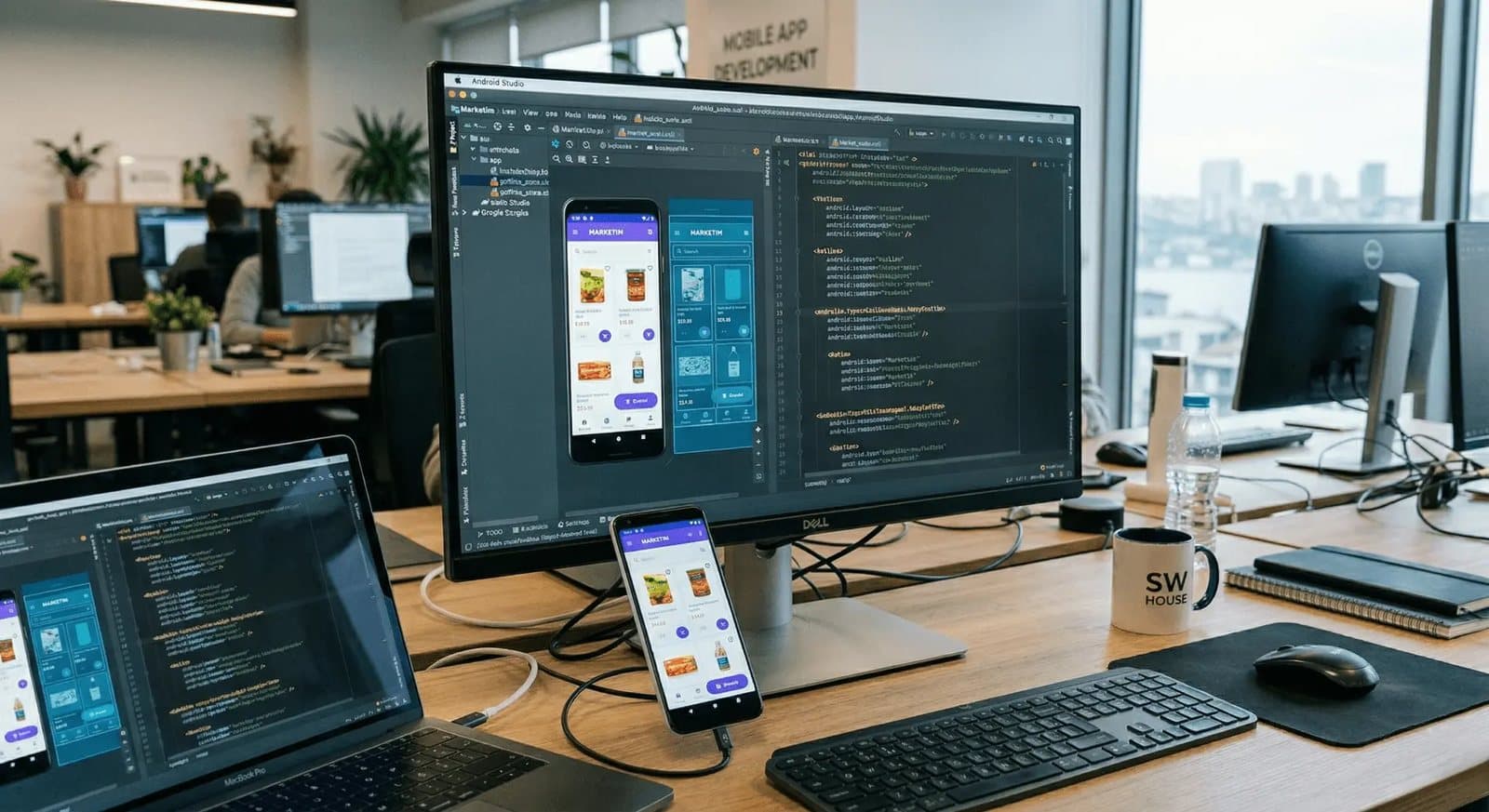
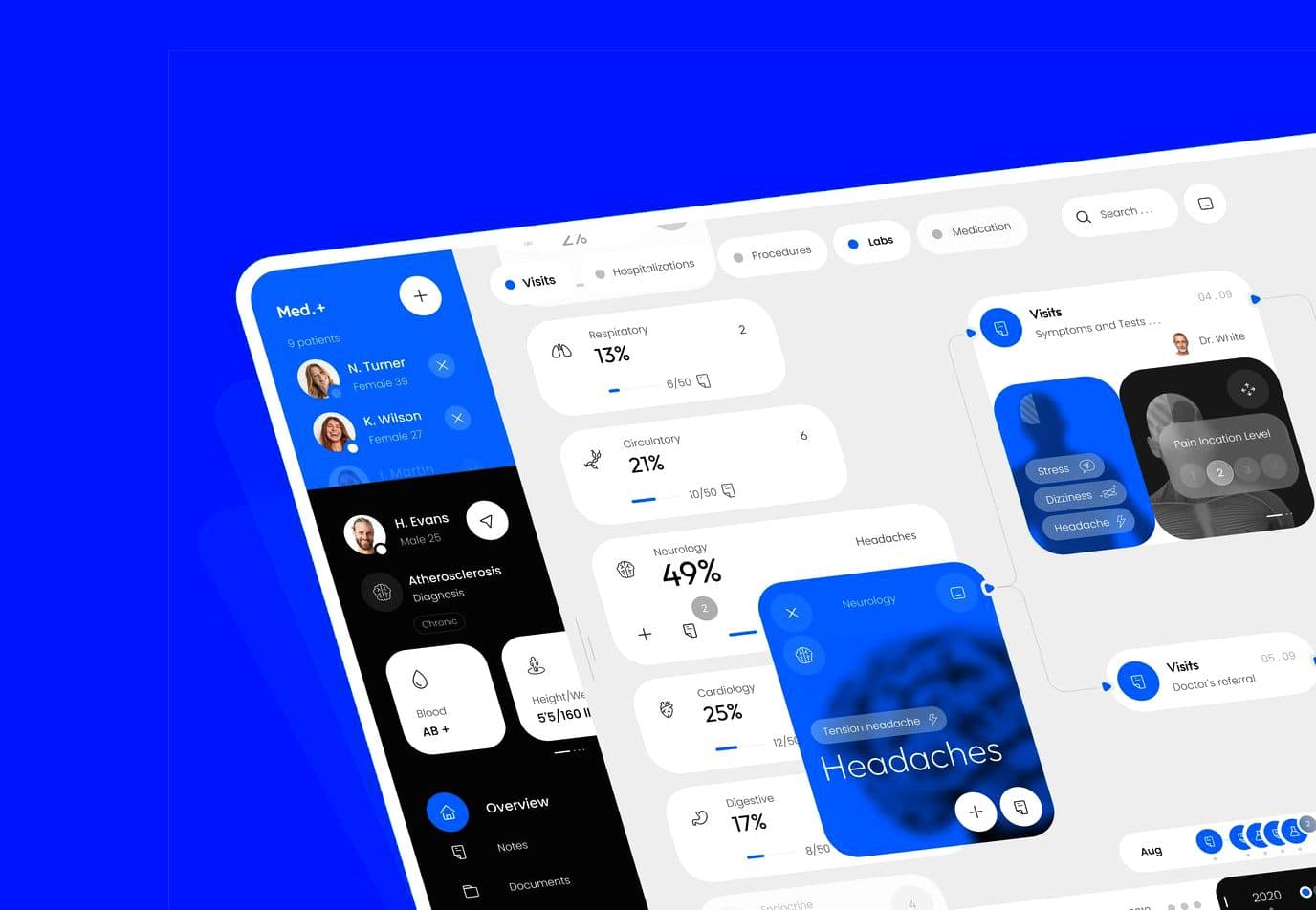
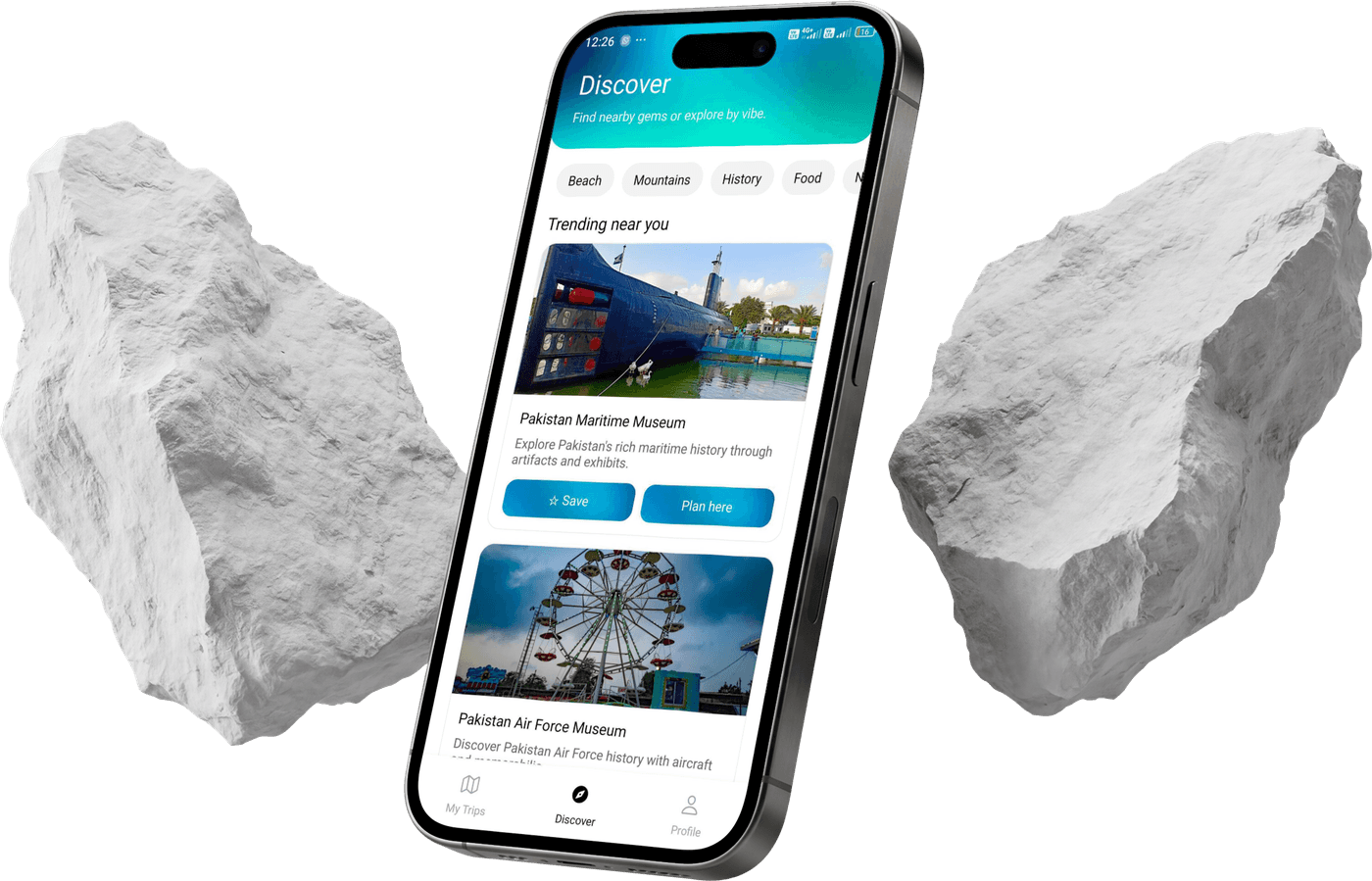
AppVertices designs and builds mobile applications for businesses that need a product people actually open, use, and come back to. Development covers native iOS and Android builds along with cross-platform options like Flutter and React Native, depending on what your product, timeline, and budget actually require. Work spans UI/UX design, backend systems, API integrations, and the testing needed before an app goes live. Whether you’re launching a customer-facing product, an internal business tool, or an app built to support a growing user base, development gets planned around your specific requirements instead of a one-size template.









500+
Apps Built & Delivered
Trusted by startups and enterprises across the US.
We create designs that help grow your business experience.

We create designs that help grow your business experience.

We create designs that help grow your business experience.

We create designs that help grow your business experience.
Eight ways we build for mobile, and the one we recommend depends on what your product, timeline, and budget actually require rather than on a template.
Native Android applications reach 3.9 billion users in 2026, with projections approaching 4.5 billion by 2030. We use Kotlin and Java to build Android apps covering architecture, device functionality, API integration, testing, performance, security, and deployment. Applications support different screen sizes, hardware configurations, and Android versions for reliable Google Play performance.
iOS applications reach an estimated 1.6 billion iPhone users in 2026, with the active base projected to approach 2 billion by 2030. We design native iPhone and iPad applications with Swift, covering architecture, interface development, API integration, testing, performance, security, and App Store deployment across supported Apple devices.
We design cross-platform applications for Android and iOS using a shared codebase and consistent functionality. Development can include APIs, databases, authentication, payment services, notifications, and other business tools. This approach can reduce duplicated development work while simplifying updates, with application architecture planned around performance, scalability, maintainability, and long-term product requirements.
Develop Android and iOS applications with Flutter using a shared codebase and reusable components. Flutter supports consistent interfaces while keeping development and maintenance centralized. Applications can integrate APIs, databases, authentication, payment gateways, cloud services, and device capabilities. Development also covers architecture, responsive interfaces, performance testing, and deployment for real users.
AppVertices creates React Native applications for Android and iOS using reusable components and native device capabilities. Development can include API integration, authentication, databases, notifications, payments, analytics, and other business functionality. Shared code supports both platforms while allowing native features where needed, with architecture planned around performance, scalability, maintainability, and product requirements.
Develop mobile games for Android and iOS with gameplay, controls, visuals, animations, and performance designed for mobile devices. Development can cover 2D and 3D games, multiplayer features, in-app purchases, leaderboards, APIs, analytics, and deployment. The technical approach considers game type, target devices, player experience, and performance requirements through release.
We design Progressive Web Apps and decentralized applications that combine browser accessibility with blockchain functionality. Development can include responsive interfaces, offline capabilities, push notifications, wallet integration, token functionality, authentication, API connections, transaction handling, and smart contracts. This approach supports accessible digital products while adding blockchain features that serve specific business requirements.
AppVertices creates web applications that run through modern browsers and connect users with essential functionality and data. Development can cover SaaS platforms, customer portals, dashboards, marketplaces, ecommerce applications, business systems, APIs, databases, authentication, and integrations. Applications are built around business requirements with responsive design, performance, security, scalability, and maintainability.
Q1. What Is The Current Stage Of Your Project?
Mobile app development involves designing, building, testing, deploying, and maintaining applications for smartphones and tablets. As users expect faster, smarter, and more personalized experiences, businesses increasingly add AI features such as chatbots, recommendations, automation, voice capabilities, predictive tools, and intelligent search. A successful app starts with clear user needs, then connects interface design, backend systems, APIs, databases, payments, and other required integrations.
Successful Projects
Client Satisfaction
Professionals
Of Experience
 View Project
 View Project
Baby Spacezone
 View ProjectView Project
Pride Real Estate
 View ProjectView Project
Embody Now
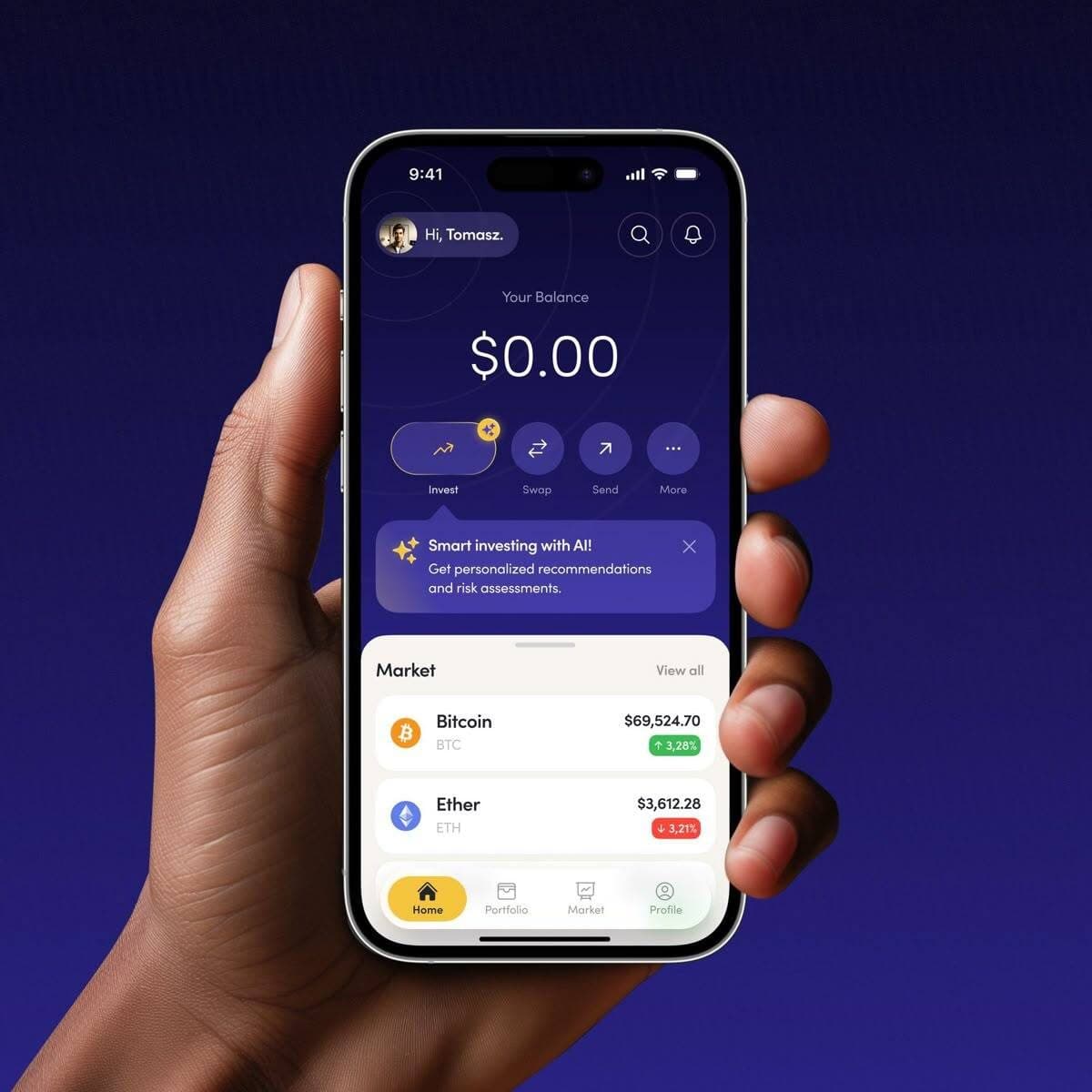 View ProjectView ProjectView ProjectView Project
Baby Spacezone
View ProjectView ProjectPride Real Estate
Most mobile app projects start with a product idea, business need, or early concept rather than a complete specification. Share your goals, target users, core features, and technical requirements, and our US-focused team can help define the right platform, technology stack, AI capabilities, development scope, and launch plan. You do not need every detail finalized before getting started.
We take care of the technical standards, security requirements, privacy considerations, and platform guidelines that come with building and launching a mobile app. Our team factors applicable regulations and industry standards into the development process from the start, so you do not have to manage compliance requirements alongside product development.
Twelve sectors we have shipped in, and the constraint each one brings that a general-purpose build does not survive.
KYC, ledgers that reconcile, and an audit trail that holds up. Regulation shapes the architecture here, not the other way round.
Connected-car apps, dealer and fleet tooling, and telematics that stay usable where the signal does not.
HIPAA-aligned handling of patient data, clinician workflows that survive a real shift, and integrations with the systems already in the building.
Catalog, checkout and fulfilment built for conversion under load, with the payment and tax integrations that follow you into new markets.
Dispatch, tracking and proof of delivery for people working one-handed in a vehicle, offline half the time.
Course delivery, assessment and progress that hold a learner's attention, with accessibility treated as a requirement rather than a pass.
Listing discovery, verification and enquiry routing — the three places property products usually lose people.
Tracking, programmes and coaching, with wearable integration and the streak mechanics that decide whether week three happens.
Streaming, subscriptions and recommendation, built to keep playback smooth on the connection the viewer actually has.
Booking, check-in and on-property service, working across a guest's phone and the staff tablet at the desk.
Accessible to WCAG AA by default, procurement-ready documentation, and an architecture a successor supplier can take over.
Multi-tenant products with roles, billing and usage metering, and a mobile client that does not fight the web one.
Our team brings together developers, designers, strategists and project managers who work closely throughout every project. We listen to feedback, solve the technical problems and keep the work moving toward its goals — which is usually what these clients end up talking about.











A successful mobile app needs a clear process from the first requirement to post-launch support. Our mobile app development services follow defined stages so product requirements, design, development, integrations, testing, and deployment stay aligned throughout the project. Each stage builds on the previous one, while feedback and technical findings can shape later decisions before they become expensive to change.
We start by understanding what the app needs to achieve, who will use it, and how it fits into the wider business. Discovery covers product goals, target users, core workflows, required features, existing systems, technical requirements, and project constraints. We also assess whether the proposed functionality is technically practical within the expected budget and timeline.
For startups, this often means defining a focused MVP instead of trying to build the entire product at once. For established businesses, discovery may involve reviewing existing databases, CRMs, ERPs, APIs, or internal tools the mobile application must connect with.

Recognized for delivering high-quality software, mobile applications, and digital products that help businesses turn ideas into working technology. Our achievements reflect the experience, technical expertise, and commitment behind the products we build for startups, growing businesses, and established organizations.
America's Fastest Growing Companies
America's Fastest Growing Top Web Development Agencies 2023

Silver Awards Winner 2020

Top 1000 Companies
Top Mobile App Development Company 2023

Top Entertainment App Developers

Best Mobile App Developer
Top App Development Companies

Web Excellence Awards
Top Entertainment App Developers
Excellence in Web Creativity & Digital Communication
Mobile apps are entering a new phase of growth. In 2026, 5.83 billion people use mobile phones worldwide, with 7.64 billion smartphones in use. By 2030, the AI-in-mobile-apps market is projected to reach $135.54 billion, up from $30.56 billion in 2025 at a 34.6% CAGR.
A mobile app is more than a collection of screens. It needs the right architecture, reliable backend systems, secure data handling, strong performance, and a clear path for future updates. AppVertices brings these pieces together under one development process.
We choose the development approach based on what the product actually needs. Our team works with native iOS and Android technologies as well as cross-platform frameworks such as Flutter and React Native, selected around your features, users, budget, timeline, and long-term roadmap.
No two mobile apps have the same technical requirements. We plan the architecture, APIs, database structure, integrations, authentication, and mobile experience around the product rather than forcing every project into the same technical setup.
Mobile applications often handle personal information, payments, business data, and account credentials. We address authentication, authorization, encrypted data, secure API communication, session management, and permissions as part of the development process rather than before launch.
Operating system updates, device changes, API changes, security requirements, bugs, and new business requirements all affect an application. AppVertices provides ongoing maintenance and development for updates, fixes, optimization, security improvements, integrations, and new features.
The cost of building a mobile app depends on its features, technical requirements, platforms, and integrations rather than one fixed price. Below is a general breakdown of what simple, mid-level, and complex applications typically involve, along with the factors that can move a project into a higher cost range.
| Type of Mobile App | Simple App | Mid-Level App | Complex / Custom App |
|---|---|---|---|
| Description | A simple mobile app serves one main purpose with a focused feature set. It may include a limited number of screens, basic navigation, user accounts, and straightforward functionality without complex backend requirements. Common examples include informational apps, calculators, directories, booking tools, content apps, and lightweight business utilities. Development usually includes UI/UX design, frontend development, basic backend functionality, authentication, analytics, testing, and deployment. Depending on the product, integrations may include maps, email services, analytics tools, or a payment provider. Many simple apps start on one platform and expand to another once user demand justifies the additional investment. Keeping the first release focused can also prevent unnecessary development costs. | A mid-level mobile app combines custom design with broader functionality, backend systems, and multiple integrations. These applications may include user registration, profiles, push notifications, content management, payments, cloud services, and connections with external business platforms. Development can cover the mobile app, backend infrastructure, and admin dashboard used to manage users, products, orders, content, bookings, or other business data. APIs can connect the application with CRMs, payment gateways, analytics platforms, cloud services, and other business tools. iOS and Android development can be handled together when cross-platform development fits the project. Flutter and React Native can share much of the codebase, while native development may be better for apps requiring deeper platform-specific functionality. | A complex or custom mobile app combines advanced features, multiple user roles, connected systems, and higher technical demands. These products may include real-time communication, GPS tracking, AI-powered functionality, advanced analytics, payment processing, custom workflows, and integrations across several platforms. Development requires a detailed architecture covering the mobile frontend, backend services, databases, APIs, authentication, cloud infrastructure, and administrative systems. Security becomes even more important when applications process payments, personal information, or sensitive business data. Complex projects typically require more development time, testing, technical resources, and coordination across design, mobile development, backend engineering, QA, and infrastructure. |
| Cost of App Development | $35,000 – $50,000 | $50,000 – $120,000 | $150,000+ |
Share what you're building and where the project currently stands, and we can walk through a realistic approach, including platform choice, timeline, and what the first phase of development would actually involve for your specific product.
Six technologies we have shipped in production rather than in a proof of concept. Each one earns its place in a build only when it solves a problem the simpler version could not.
Phones as the control surface for hardware: BLE and Wi-Fi pairing, firmware updates over the air, and an interface that stays usable when the device is out of range.
ARKit and ARCore for products where placing something in the room beats describing it — retail preview, field service guidance, training that needs a space rather than a screen.
A first release with a model in it where the model is the product, and a clear account of what it does when it is wrong — which is the part most AI features skip.
Recommendation, classification, forecasting and on-device inference, with the evaluation set built before the model so you can tell whether it improved.
Wallets, smart contracts and tokenised assets where an auditable shared ledger is genuinely the requirement — and a straight answer when a database would do.
AWS, Azure and Google Cloud behind the app: managed databases, queues, storage and the autoscaling that keeps a launch day from being an outage.
Mobile app development costs vary based on the platforms, features, design requirements, backend systems, integrations, and level of customization involved. A basic application usually requires less development work than a product with real-time functionality, payments, complex permissions, or advanced integrations. A clear project scope helps establish a more accurate estimate before development begins and reduces unexpected changes later.
Tell us what you are building, who it is for and when it needs to be live. You will get a written scope, a realistic range, and a named engineer on the call rather than a sales deck.

[Mobile App Development]
AppVertices designs and builds mobile applications for businesses that need a product people actually open, use, and come back to. Development covers native iOS and Android builds along with cross-platform options like Flutter and React Native, depending on what your product, timeline, and budget actually require. Work spans UI/UX design, backend systems, API integrations, and the testing needed before an app goes live. Whether you’re launching a customer-facing product, an internal business tool, or an app built to support a growing user base, development gets planned around your specific requirements instead of a one-size template.
500+
Trusted by startups and enterprises across the US.
We create designs that help grow your business experience.
We create designs that help grow your business experience.
We create designs that help grow your business experience.
We create designs that help grow your business experience.
Eight ways we build for mobile, and the one we recommend depends on what your product, timeline, and budget actually require rather than on a template.
Native Android applications reach 3.9 billion users in 2026, with projections approaching 4.5 billion by 2030. We use Kotlin and Java to build Android apps covering architecture, device functionality, API integration, testing, performance, security, and deployment. Applications support different screen sizes, hardware configurations, and Android versions for reliable Google Play performance.
iOS applications reach an estimated 1.6 billion iPhone users in 2026, with the active base projected to approach 2 billion by 2030. We design native iPhone and iPad applications with Swift, covering architecture, interface development, API integration, testing, performance, security, and App Store deployment across supported Apple devices.
We design cross-platform applications for Android and iOS using a shared codebase and consistent functionality. Development can include APIs, databases, authentication, payment services, notifications, and other business tools. This approach can reduce duplicated development work while simplifying updates, with application architecture planned around performance, scalability, maintainability, and long-term product requirements.
Develop Android and iOS applications with Flutter using a shared codebase and reusable components. Flutter supports consistent interfaces while keeping development and maintenance centralized. Applications can integrate APIs, databases, authentication, payment gateways, cloud services, and device capabilities. Development also covers architecture, responsive interfaces, performance testing, and deployment for real users.
AppVertices creates React Native applications for Android and iOS using reusable components and native device capabilities. Development can include API integration, authentication, databases, notifications, payments, analytics, and other business functionality. Shared code supports both platforms while allowing native features where needed, with architecture planned around performance, scalability, maintainability, and product requirements.
Develop mobile games for Android and iOS with gameplay, controls, visuals, animations, and performance designed for mobile devices. Development can cover 2D and 3D games, multiplayer features, in-app purchases, leaderboards, APIs, analytics, and deployment. The technical approach considers game type, target devices, player experience, and performance requirements through release.
We design Progressive Web Apps and decentralized applications that combine browser accessibility with blockchain functionality. Development can include responsive interfaces, offline capabilities, push notifications, wallet integration, token functionality, authentication, API connections, transaction handling, and smart contracts. This approach supports accessible digital products while adding blockchain features that serve specific business requirements.
AppVertices creates web applications that run through modern browsers and connect users with essential functionality and data. Development can cover SaaS platforms, customer portals, dashboards, marketplaces, ecommerce applications, business systems, APIs, databases, authentication, and integrations. Applications are built around business requirements with responsive design, performance, security, scalability, and maintainability.
Mobile app development involves designing, building, testing, deploying, and maintaining applications for smartphones and tablets. As users expect faster, smarter, and more personalized experiences, businesses increasingly add AI features such as chatbots, recommendations, automation, voice capabilities, predictive tools, and intelligent search. A successful app starts with clear user needs, then connects interface design, backend systems, APIs, databases, payments, and other required integrations.
800+
Successful Projects
98%
Client Satisfaction
500+
Professionals
10+ Yrs
Of Experience
Most mobile app projects start with a product idea, business need, or early concept rather than a complete specification. Share your goals, target users, core features, and technical requirements, and our US-focused team can help define the right platform, technology stack, AI capabilities, development scope, and launch plan. You do not need every detail finalized before getting started.
We take care of the technical standards, security requirements, privacy considerations, and platform guidelines that come with building and launching a mobile app. Our team factors applicable regulations and industry standards into the development process from the start, so you do not have to manage compliance requirements alongside product development.
If your app serves users in the EU, we build with GDPR requirements in mind, including consent, data minimization, privacy controls, and user requests for accessing or deleting personal data. We account for these requirements when planning how your app collects, stores, processes, and shares user information.
For apps serving California users, we consider CCPA requirements around personal information, privacy disclosures, access requests, deletion requests, and opt-out rights. Our development team factors these requirements into data collection, storage, user controls, and application workflows so privacy considerations are addressed as part of the product.
For businesses operating with strict security and data-handling requirements, we can build development and infrastructure practices around SOC 2 principles. Access controls, authentication, logging, monitoring, data protection, and system security are considered throughout development to support the controls your organization may need for its compliance program.
We handle the technical requirements involved in preparing Android apps for Google Play. This includes permissions, privacy and data safety disclosures, app functionality, content requirements, and other applicable Play policies. Our team tests and prepares the application with these requirements in mind before submission to help avoid preventable review issues.
We prepare iOS applications around Apple's App Store requirements from development through submission. This includes privacy disclosures, permissions, payments, account functionality, content requirements, and platform-specific interface standards. Our team reviews the application against applicable guidelines before submission, helping reduce avoidable rejection risks and last-minute changes.
Security is built into the application rather than added at the end. We use the OWASP Mobile Top 10 as a reference for identifying common risks involving authentication, data storage, network communication, session management, and insecure coding. Security practices are applied throughout development based on the application's specific requirements.
We consider accessibility requirements when designing and developing digital interfaces, including support for screen readers, keyboard navigation, readable layouts, color contrast, and accessible controls. Where ADA or WCAG requirements apply to your product, we factor them into the design and development process rather than treating accessibility as a final-stage task.
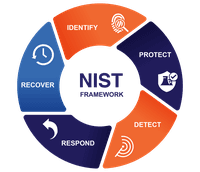
We use the NIST Cybersecurity Framework as a reference for structuring security across applications and supporting infrastructure. Depending on the project, this can include identifying risks, protecting systems and data, monitoring activity, preparing for incidents, and establishing recovery processes. Security decisions are aligned with your application's data and business requirements.
Twelve sectors we have shipped in, and the constraint each one brings that a general-purpose build does not survive.
KYC, ledgers that reconcile, and an audit trail that holds up. Regulation shapes the architecture here, not the other way round.
Connected-car apps, dealer and fleet tooling, and telematics that stay usable where the signal does not.
HIPAA-aligned handling of patient data, clinician workflows that survive a real shift, and integrations with the systems already in the building.
Catalog, checkout and fulfilment built for conversion under load, with the payment and tax integrations that follow you into new markets.
Dispatch, tracking and proof of delivery for people working one-handed in a vehicle, offline half the time.
Course delivery, assessment and progress that hold a learner's attention, with accessibility treated as a requirement rather than a pass.
Listing discovery, verification and enquiry routing — the three places property products usually lose people.
Tracking, programmes and coaching, with wearable integration and the streak mechanics that decide whether week three happens.
Streaming, subscriptions and recommendation, built to keep playback smooth on the connection the viewer actually has.
Booking, check-in and on-property service, working across a guest's phone and the staff tablet at the desk.
Accessible to WCAG AA by default, procurement-ready documentation, and an architecture a successor supplier can take over.
Multi-tenant products with roles, billing and usage metering, and a mobile client that does not fight the web one.
Our team brings together developers, designers, strategists and project managers who work closely throughout every project. We listen to feedback, solve the technical problems and keep the work moving toward its goals — which is usually what these clients end up talking about.


We start by understanding what the app needs to achieve, who will use it, and how it fits into the wider business. Discovery covers product goals, target users, core workflows, required features, existing systems, technical requirements, and project constraints. We also assess whether the proposed functionality is technically practical within the expected budget and timeline.
For startups, this often means defining a focused MVP instead of trying to build the entire product at once. For established businesses, discovery may involve reviewing existing databases, CRMs, ERPs, APIs, or internal tools the mobile application must connect with.
Once requirements are defined, we turn them into a practical mobile app development roadmap. Feature priorities, development phases, technical architecture, platform choices, and dependencies are mapped before coding begins. We determine whether the project is better suited to native Android or iOS development, cross-platform development with Flutter or React Native, or a combination of approaches.
Instead of treating the application as one large build, we structure the work into manageable phases that can be reviewed, tested, and adjusted as development progresses.
Mobile app design starts with usability, structure, and user flow before visual styling is finalized. We map how users move through important actions such as registration, search, checkout, booking, messaging, or account management. Wireframes establish the structure of key screens and help identify confusing or unnecessary steps before development begins.
Designs are created for actual mobile screen sizes and platform requirements rather than treated as static desktop concepts. Accessibility, responsiveness, consistency, and ease of use are considered throughout the process.
Development turns the approved product plan and UI/UX designs into a working mobile application. Depending on the project, this can include Android app development with Kotlin or Java, iOS app development with Swift, or cross-platform development using Flutter or React Native.
Development is completed in structured phases so individual features can be reviewed and tested before the full application is assembled. Code is organized for maintainability, security, scalability, and future updates rather than only for the initial release.
Modern mobile applications rarely operate as standalone products. They often depend on payment gateways, CRMs, analytics platforms, cloud services, identity providers, business software, or internal databases. Our mobile app development services handle these connections as part of the technical build, including API integration, authentication, permissions, secure data transfer, and error handling.
Integration testing helps identify problems such as inconsistent data formats, API limitations, authentication failures, or unexpected third-party responses before launch.
Testing takes place throughout development rather than being left until the final stage. We test features against real user scenarios to verify that workflows, interfaces, integrations, and business logic work as intended. Functional testing checks individual features, while usability testing examines how easily users can complete important tasks.
Device and operating system testing also matters because Android and iOS applications run across different screen sizes, hardware configurations, and software versions.
Launching a mobile application involves more than uploading a build to Google Play or the Apple App Store. We prepare the production environment, confirm backend services, configure analytics, review application settings, and support the final deployment process. Store requirements and release checks are completed before submission to reduce preventable delays.
AppVertices supports applications beyond the initial release so businesses can maintain the product, respond to user needs, and continue adding functionality as requirements change.
Recognized for delivering high-quality software, mobile applications, and digital products that help businesses turn ideas into working technology. Our achievements reflect the experience, technical expertise, and commitment behind the products we build for startups, growing businesses, and established organizations.
America's Fastest Growing Companies
America's Fastest Growing Top Web Development Agencies 2023
Silver Awards Winner 2020
Top 1000 Companies
Top Mobile App Development Company 2023
Top Entertainment App Developers
Best Mobile App Developer
Top App Development Companies
Web Excellence Awards
Top Entertainment App Developers
Excellence in Web Creativity & Digital Communication
Mobile apps are entering a new phase of growth. In 2026, 5.83 billion people use mobile phones worldwide, with 7.64 billion smartphones in use. By 2030, the AI-in-mobile-apps market is projected to reach $135.54 billion, up from $30.56 billion in 2025 at a 34.6% CAGR.
A mobile app is more than a collection of screens. It needs the right architecture, reliable backend systems, secure data handling, strong performance, and a clear path for future updates. AppVertices brings these pieces together under one development process.
We choose the development approach based on what the product actually needs. Our team works with native iOS and Android technologies as well as cross-platform frameworks such as Flutter and React Native, selected around your features, users, budget, timeline, and long-term roadmap.
No two mobile apps have the same technical requirements. We plan the architecture, APIs, database structure, integrations, authentication, and mobile experience around the product rather than forcing every project into the same technical setup.
Mobile applications often handle personal information, payments, business data, and account credentials. We address authentication, authorization, encrypted data, secure API communication, session management, and permissions as part of the development process rather than before launch.
Operating system updates, device changes, API changes, security requirements, bugs, and new business requirements all affect an application. AppVertices provides ongoing maintenance and development for updates, fixes, optimization, security improvements, integrations, and new features.
Q1. What Is The Current Stage Of Your Project?
The cost of building a mobile app depends on its features, technical requirements, platforms, and integrations rather than one fixed price. Below is a general breakdown of what simple, mid-level, and complex applications typically involve, along with the factors that can move a project into a higher cost range.
$35,000 – $50,000
A simple mobile app serves one main purpose with a focused feature set. It may include a limited number of screens, basic navigation, user accounts, and straightforward functionality without complex backend requirements. Common examples include informational apps, calculators, directories, booking tools, content apps, and lightweight business utilities.
Development usually includes UI/UX design, frontend development, basic backend functionality, authentication, analytics, testing, and deployment. Depending on the product, integrations may include maps, email services, analytics tools, or a payment provider.
Many simple apps start on one platform and expand to another once user demand justifies the additional investment. Keeping the first release focused can also prevent unnecessary development costs.
$50,000 – $120,000
A mid-level mobile app combines custom design with broader functionality, backend systems, and multiple integrations. These applications may include user registration, profiles, push notifications, content management, payments, cloud services, and connections with external business platforms.
Development can cover the mobile app, backend infrastructure, and admin dashboard used to manage users, products, orders, content, bookings, or other business data. APIs can connect the application with CRMs, payment gateways, analytics platforms, cloud services, and other business tools.
iOS and Android development can be handled together when cross-platform development fits the project. Flutter and React Native can share much of the codebase, while native development may be better for apps requiring deeper platform-specific functionality.
$150,000+
A complex or custom mobile app combines advanced features, multiple user roles, connected systems, and higher technical demands. These products may include real-time communication, GPS tracking, AI-powered functionality, advanced analytics, payment processing, custom workflows, and integrations across several platforms.
Development requires a detailed architecture covering the mobile frontend, backend services, databases, APIs, authentication, cloud infrastructure, and administrative systems. Security becomes even more important when applications process payments, personal information, or sensitive business data.
Complex projects typically require more development time, testing, technical resources, and coordination across design, mobile development, backend engineering, QA, and infrastructure.
Features are one of the biggest factors affecting mobile app development cost. Basic login, user profiles, and content pages require less development than real-time chat, payments, GPS tracking, AI functionality, advanced search, or complex workflows that require additional backend logic, integrations, and testing.
Building for one platform generally costs less than supporting both Android and iOS. Native development requires separate platform-specific work, while cross-platform frameworks can share much of the codebase. The right approach depends on performance requirements, device capabilities, target users, expected demand, and how the application will be maintained over time.
UI/UX requirements can have a major impact on development costs. A straightforward interface using standard mobile components requires less work than a custom experience with animations, interactive elements, complex navigation, detailed prototypes, and branded layouts that need to work consistently across different screens and devices.
Larger mobile applications need more development time and technical resources. Complex backend systems, multiple integrations, custom functionality, advanced security, and broader testing can require additional developers, designers, QA specialists, and infrastructure support. As the scope increases, development hours and the overall project cost increase with it.
Mobile app costs do not end at launch. Ongoing maintenance can include bug fixes, Android and iOS updates, security improvements, performance optimization, API changes, third-party service updates, and new features. Continued support helps keep the application stable, compatible, secure, and useful as technology, user expectations, and business requirements change.
Share what you're building and where the project currently stands, and we can walk through a realistic approach, including platform choice, timeline, and what the first phase of development would actually involve for your specific product.
Six technologies we have shipped in production rather than in a proof of concept. Each one earns its place in a build only when it solves a problem the simpler version could not.
Phones as the control surface for hardware: BLE and Wi-Fi pairing, firmware updates over the air, and an interface that stays usable when the device is out of range.
ARKit and ARCore for products where placing something in the room beats describing it — retail preview, field service guidance, training that needs a space rather than a screen.
A first release with a model in it where the model is the product, and a clear account of what it does when it is wrong — which is the part most AI features skip.
Recommendation, classification, forecasting and on-device inference, with the evaluation set built before the model so you can tell whether it improved.
Wallets, smart contracts and tokenised assets where an auditable shared ledger is genuinely the requirement — and a straight answer when a database would do.
AWS, Azure and Google Cloud behind the app: managed databases, queues, storage and the autoscaling that keeps a launch day from being an outage.
Mobile app development costs vary based on the platforms, features, design requirements, backend systems, integrations, and level of customization involved. A basic application usually requires less development work than a product with real-time functionality, payments, complex permissions, or advanced integrations. A clear project scope helps establish a more accurate estimate before development begins and reduces unexpected changes later.
Mobile app development timelines depend on the application's features, number of platforms, design requirements, backend architecture, and integrations. A straightforward application can move from planning to launch faster than a complex product with custom systems and advanced functionality. AppVertices breaks development into defined stages, allowing timelines and priorities to become clearer as requirements are finalized during planning.
Native development creates separate applications for iOS and Android, offering strong performance and deeper access to platform-specific features. Cross-platform development with Flutter or React Native uses shared code to support both platforms, which can simplify development and maintenance. The right approach depends on your application's functionality, performance requirements, device features, budget, and long-term development plans.
Yes. AppVertices develops mobile applications for both iOS and Android, using native technologies such as Swift, Kotlin, and Java, as well as cross-platform frameworks including Flutter and React Native. The development approach depends on your product requirements, target audience, functionality, and technical priorities. Applications can also connect with APIs, databases, payment systems, authentication services, and other platforms.
Yes. AppVertices provides post-launch mobile app support covering bug fixes, performance improvements, compatibility updates, monitoring, and ongoing maintenance. Applications may need updates as operating systems, devices, third-party services, and user requirements change. Support can also include new features and improvements based on real usage and feedback, helping your application remain reliable and useful after its initial release.
Tell us what you are building, who it is for and when it needs to be live. You will get a written scope, a realistic range, and a named engineer on the call rather than a sales deck.