Get a QuoteGet a Quote
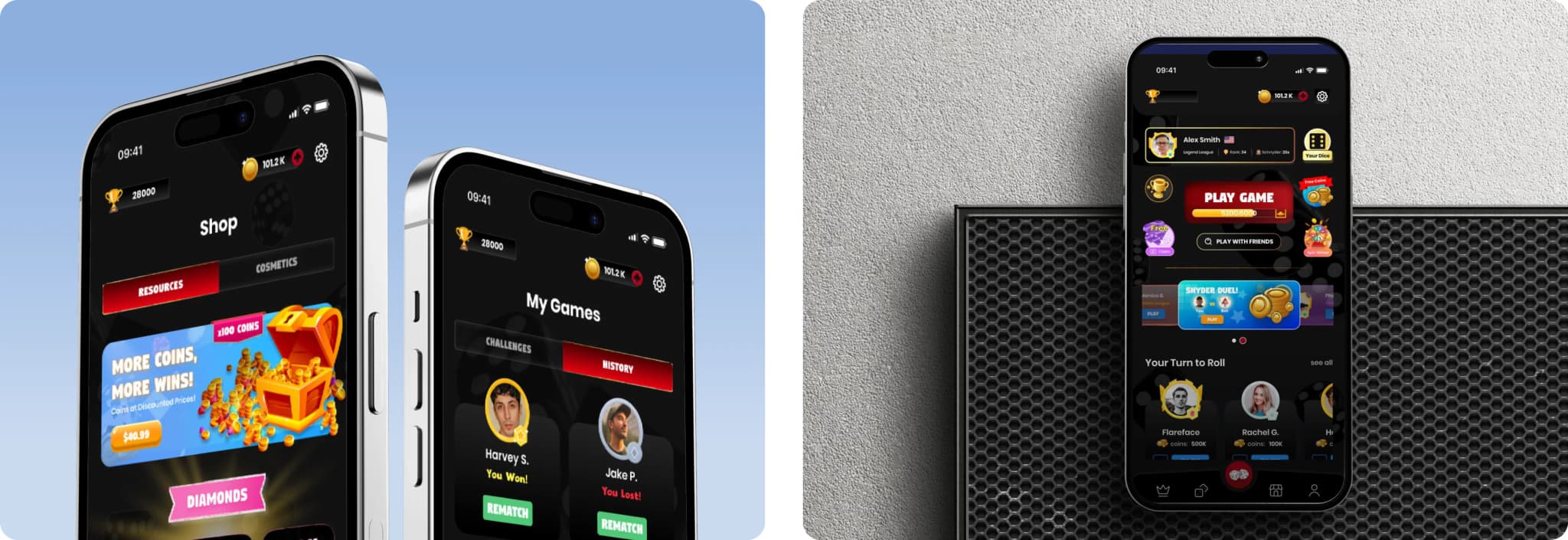
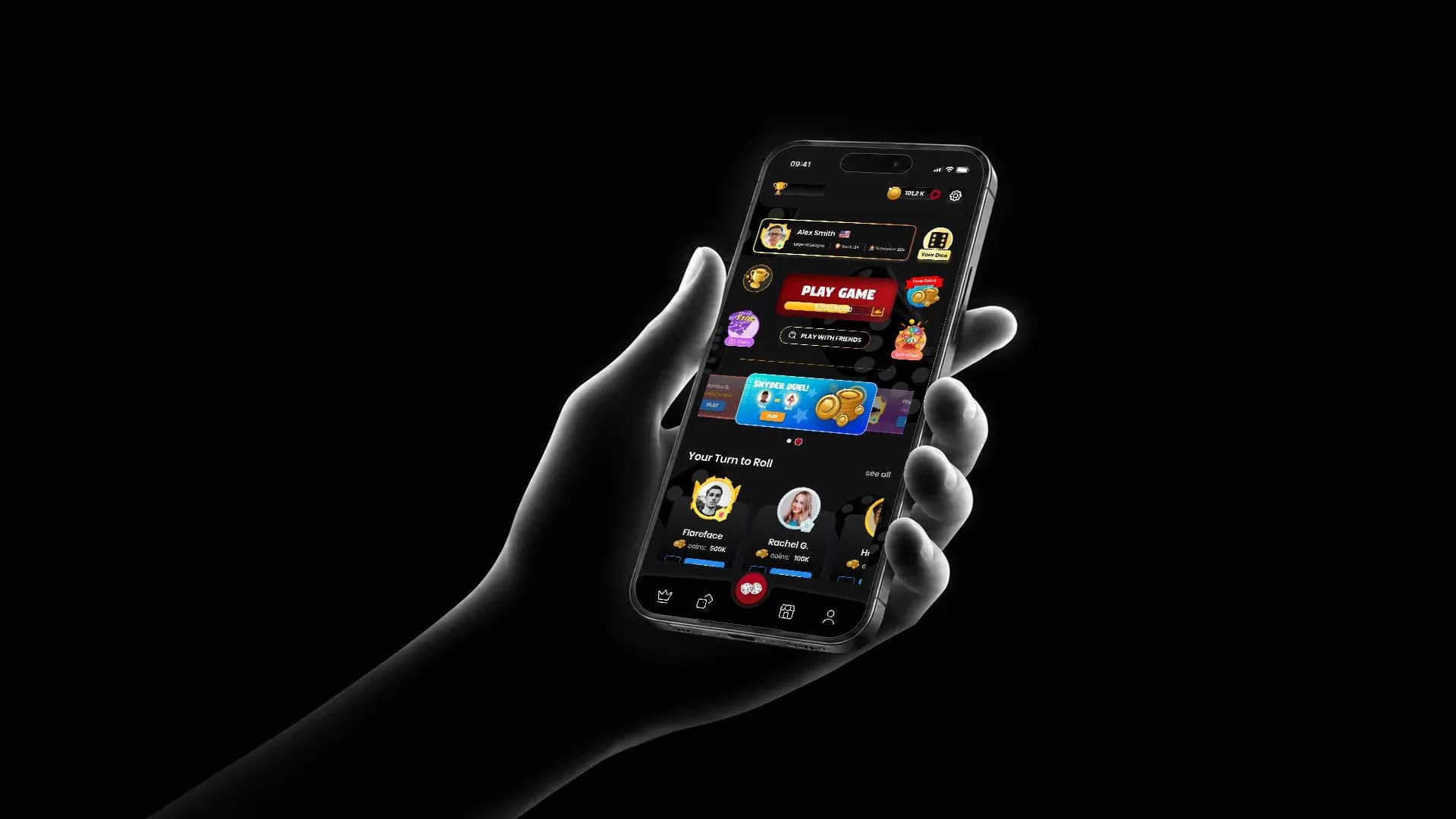
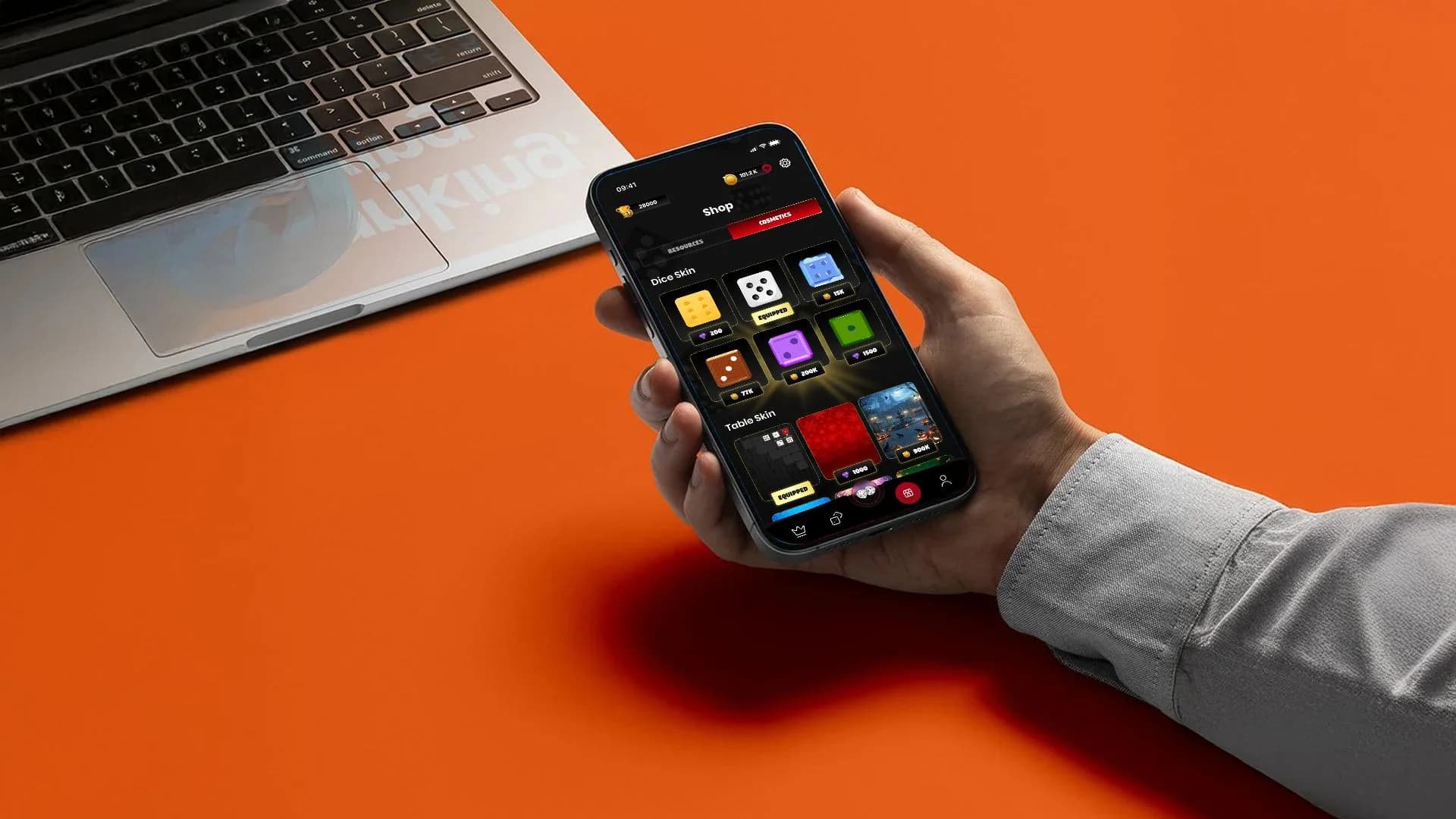
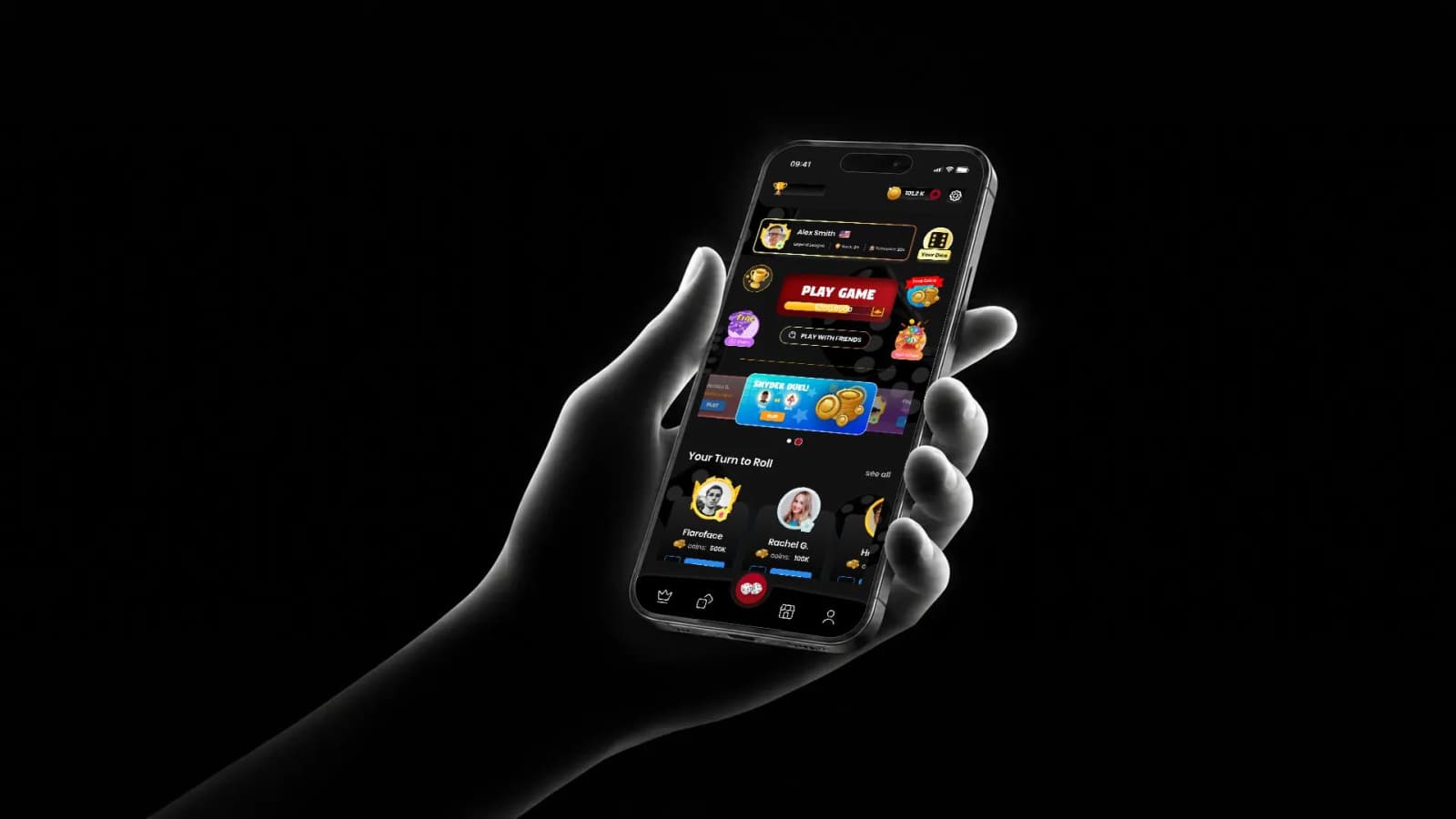
Schnyder's Dice of Fire! on two phones
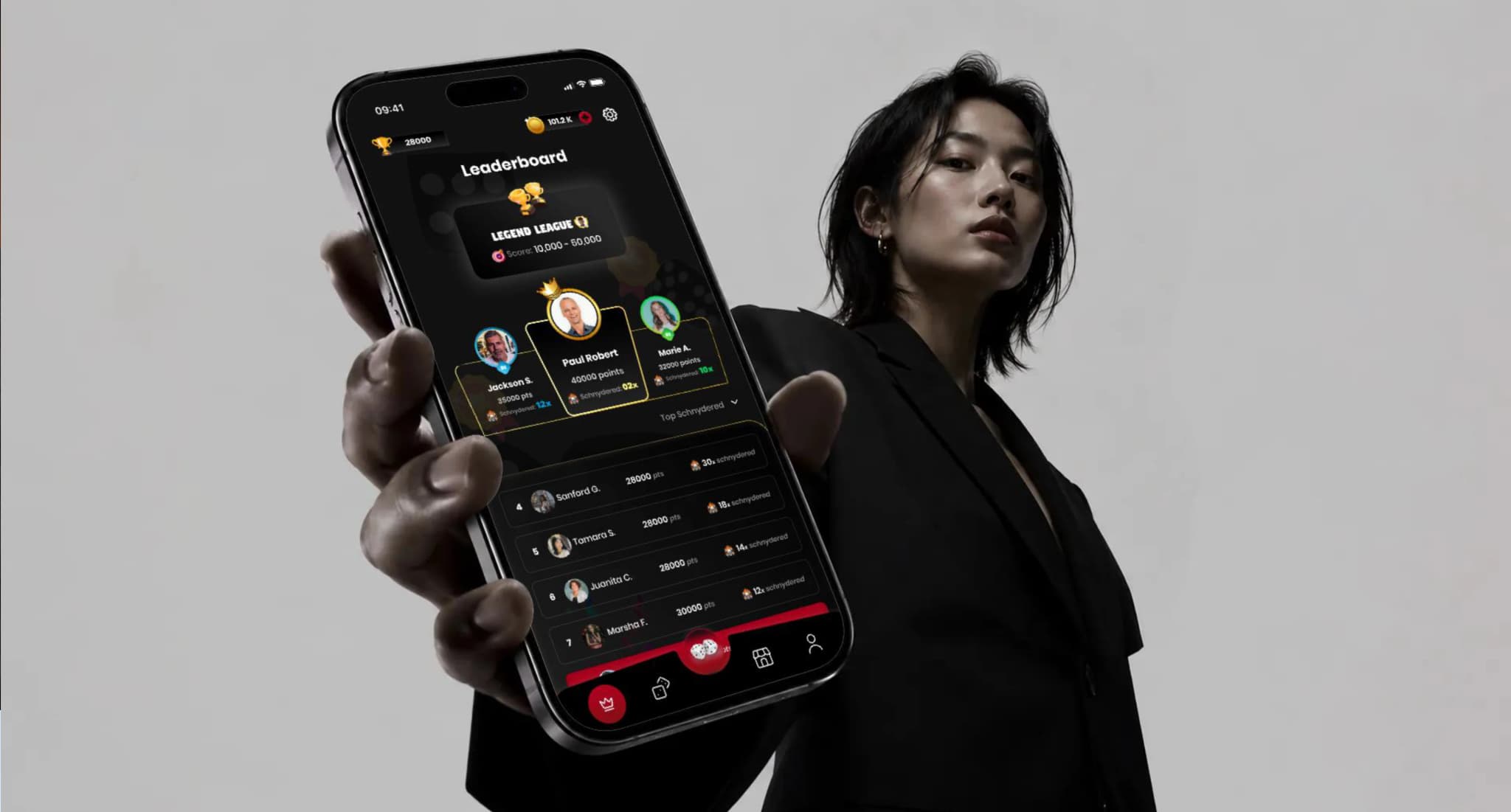
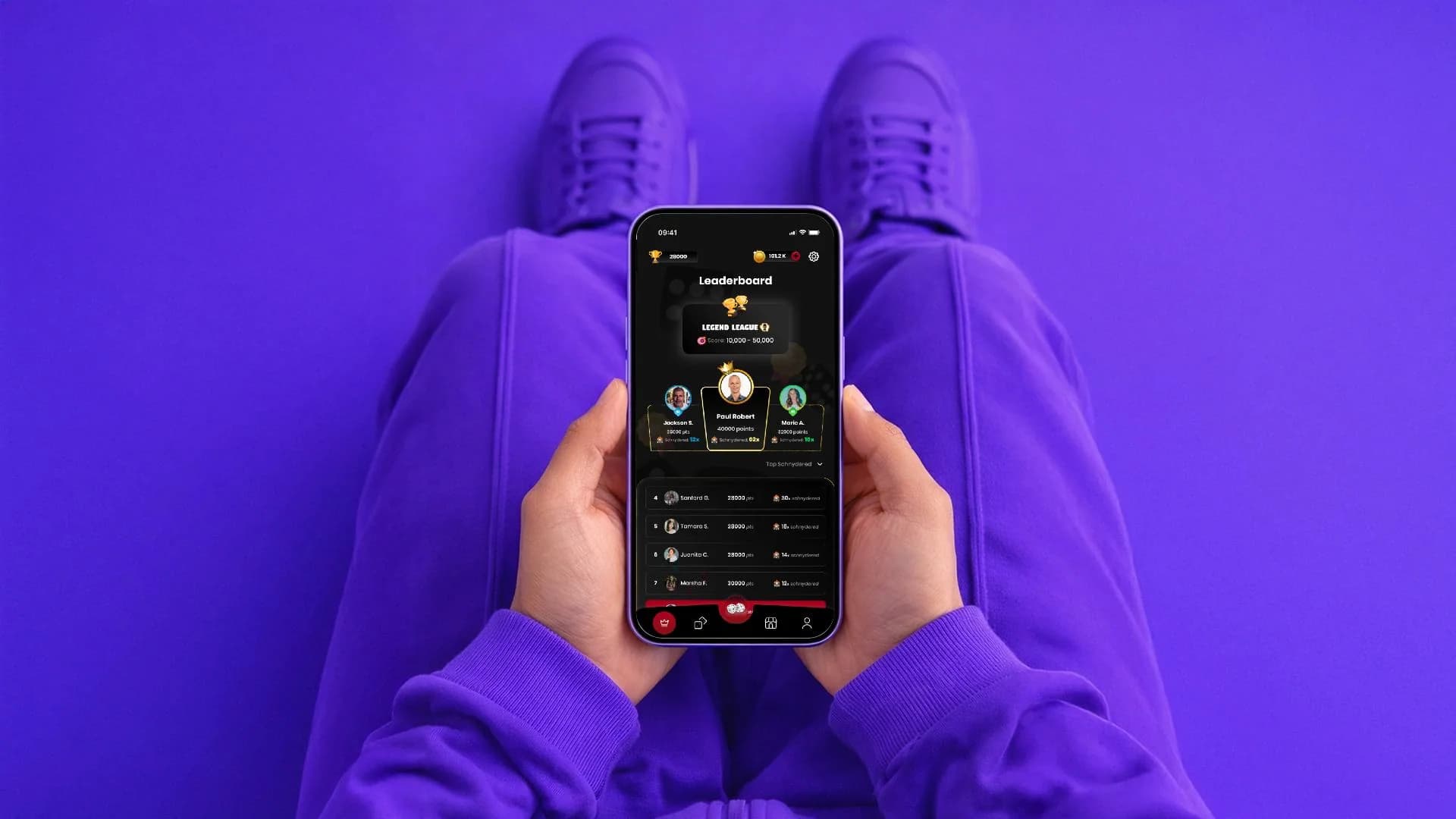
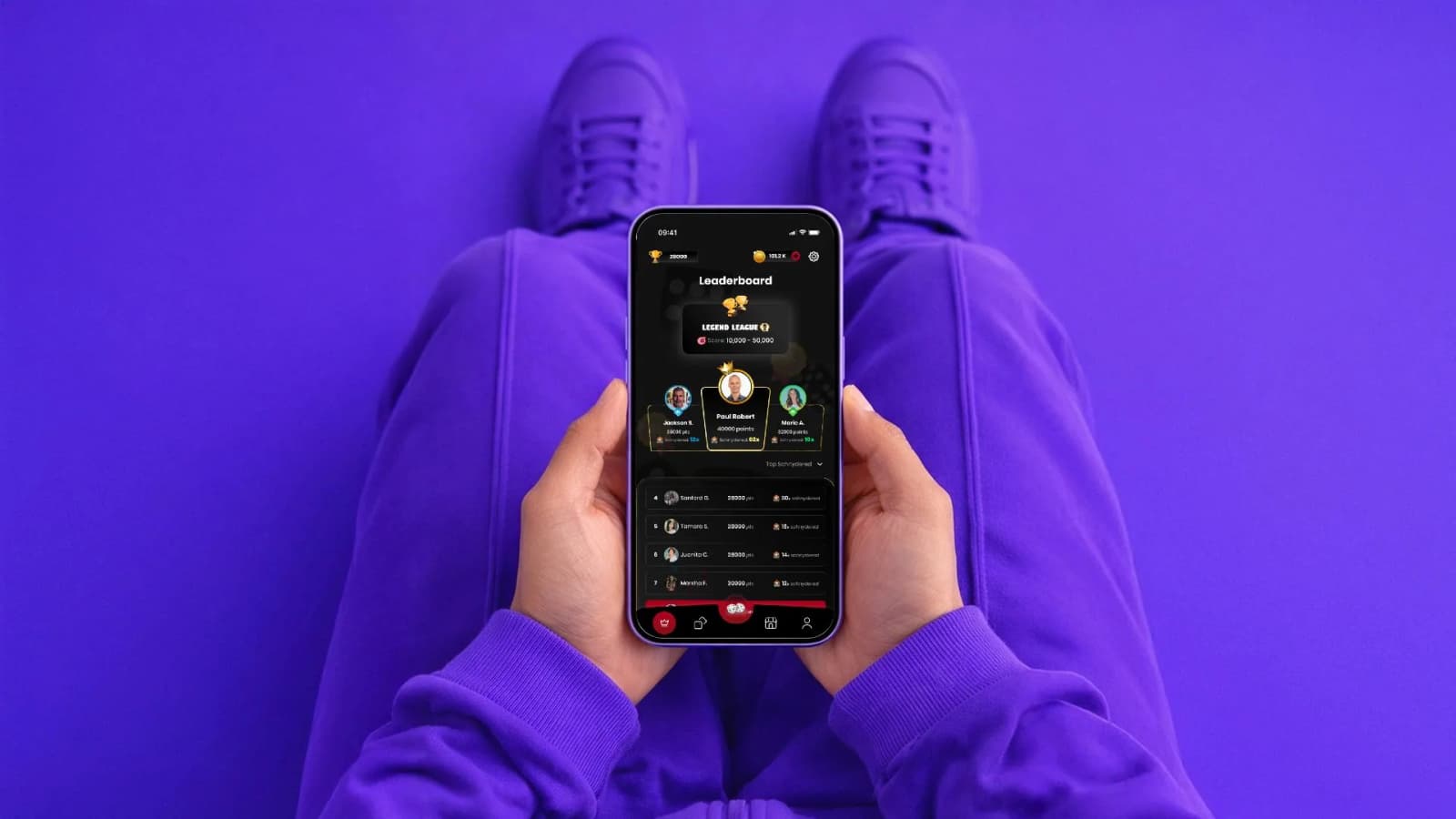
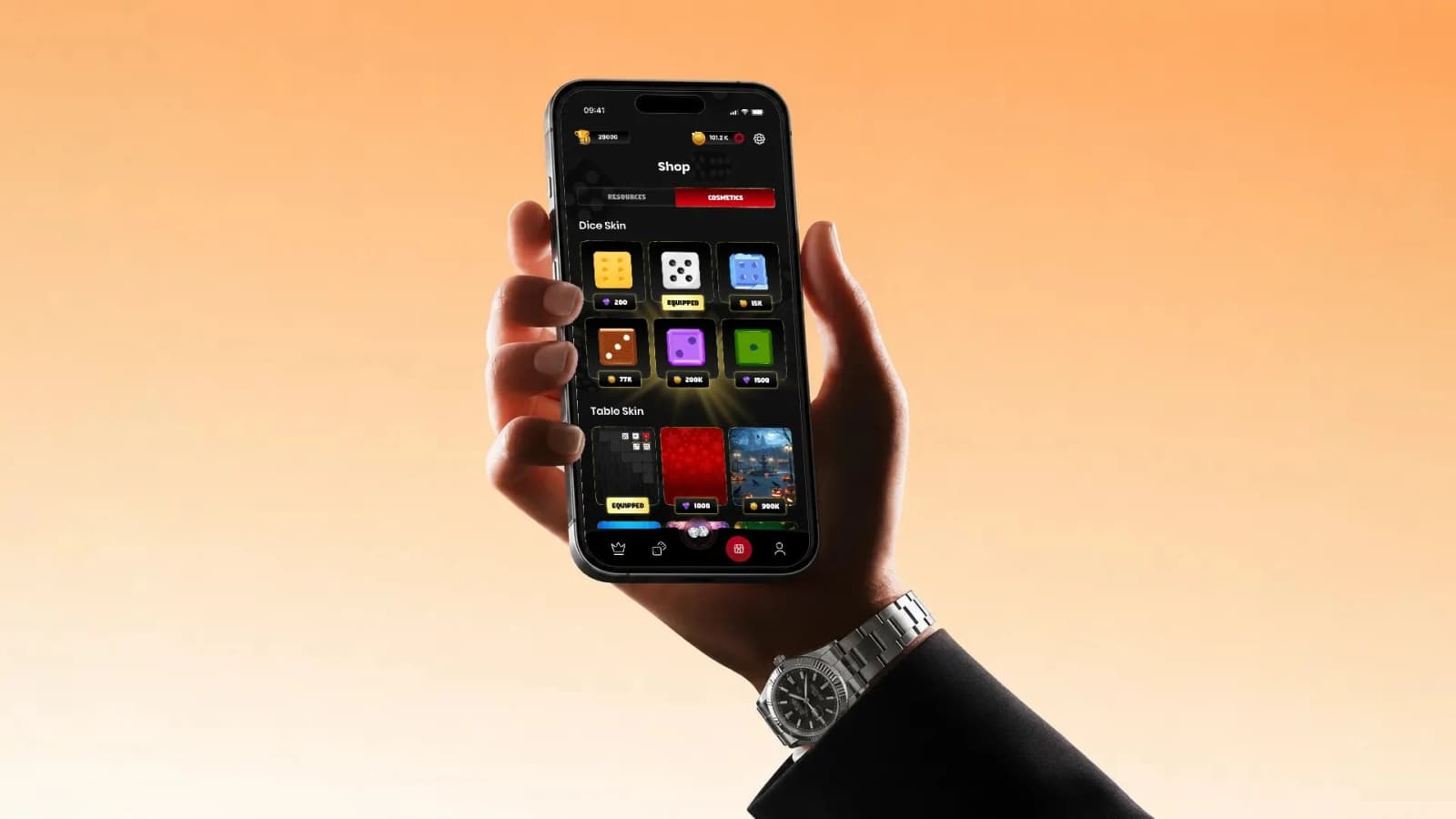
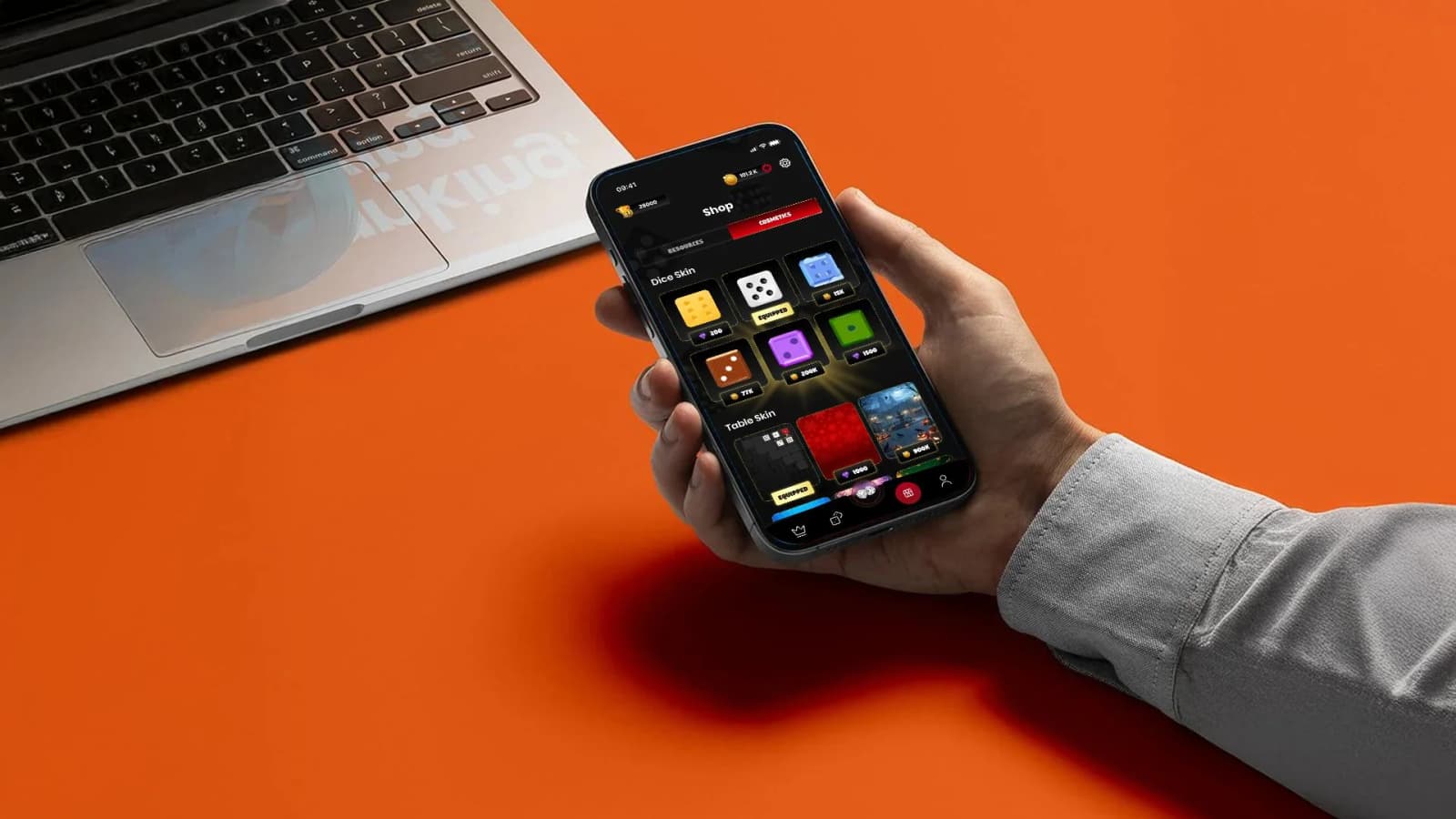
Match and leaderboard screens
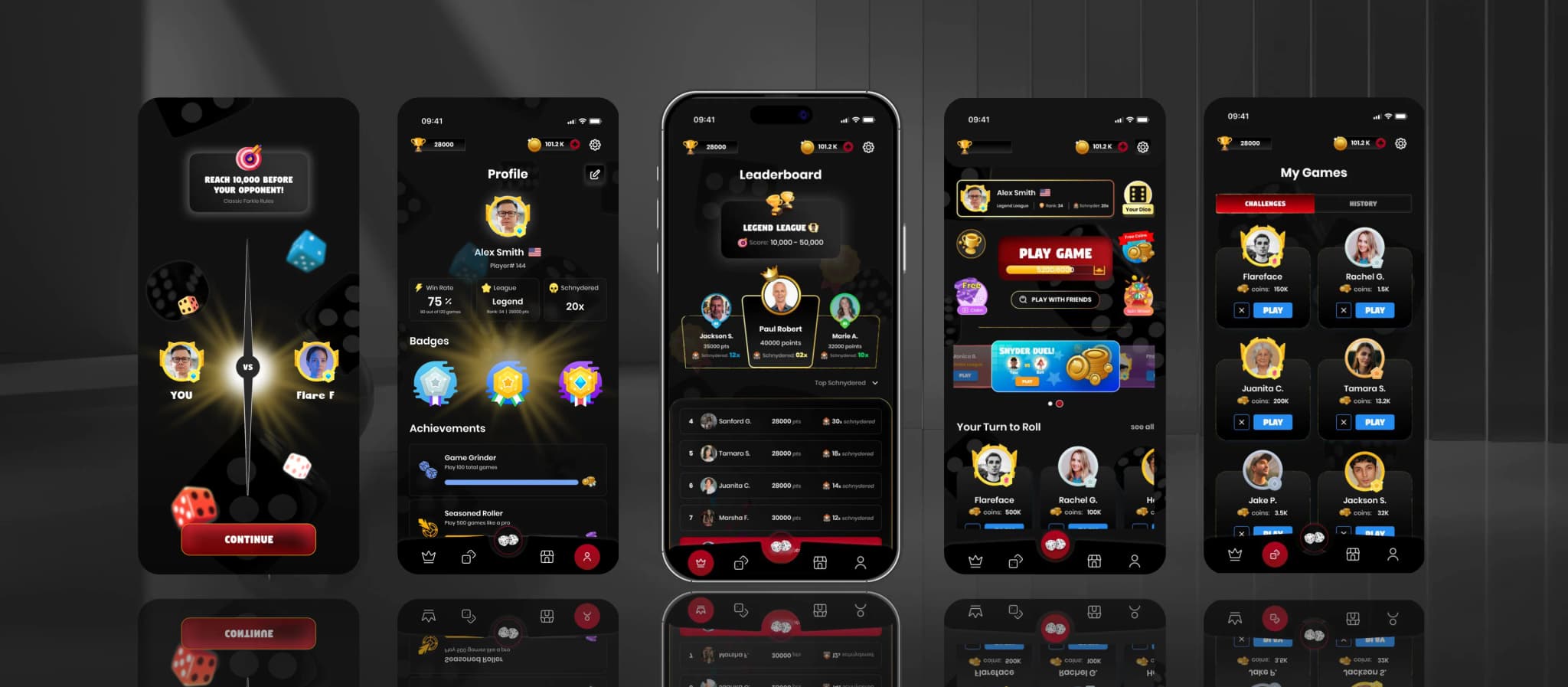
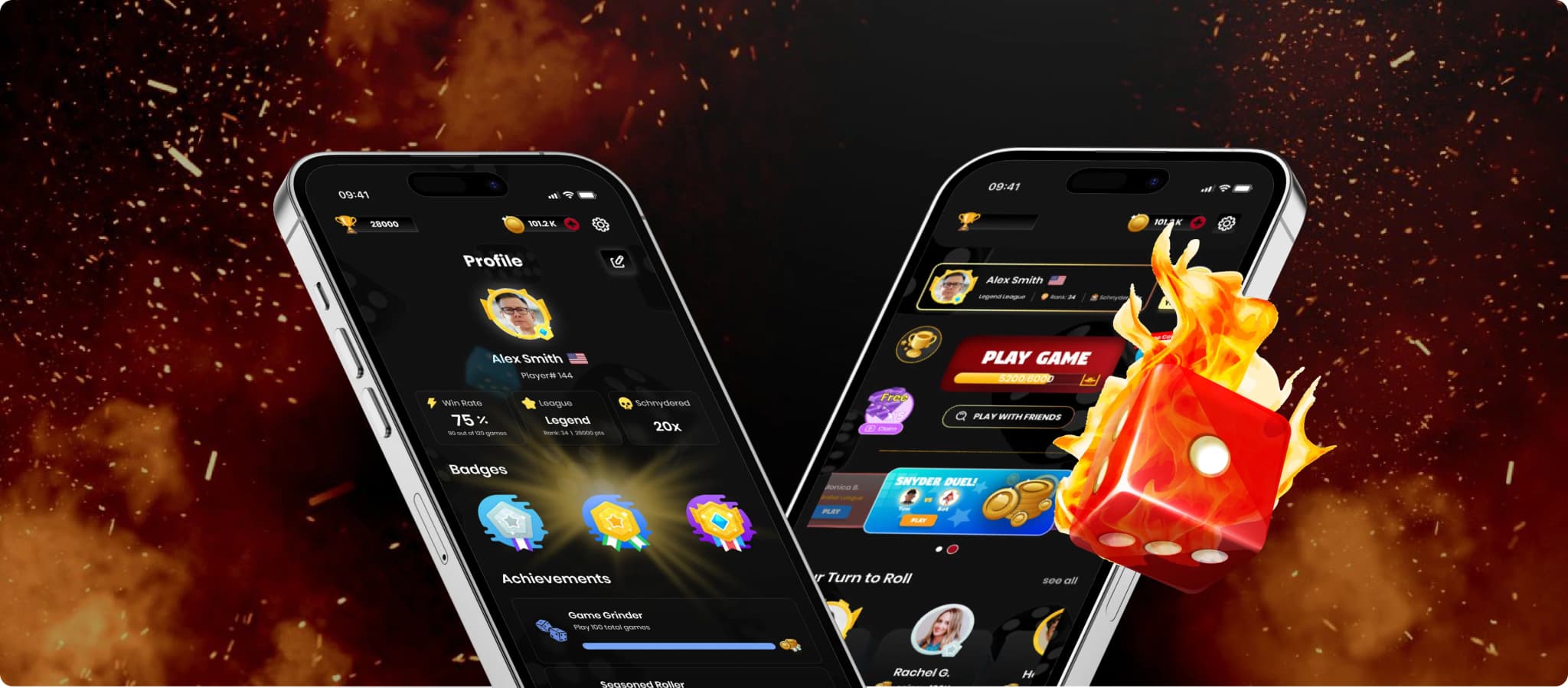
The game's screens in a collage
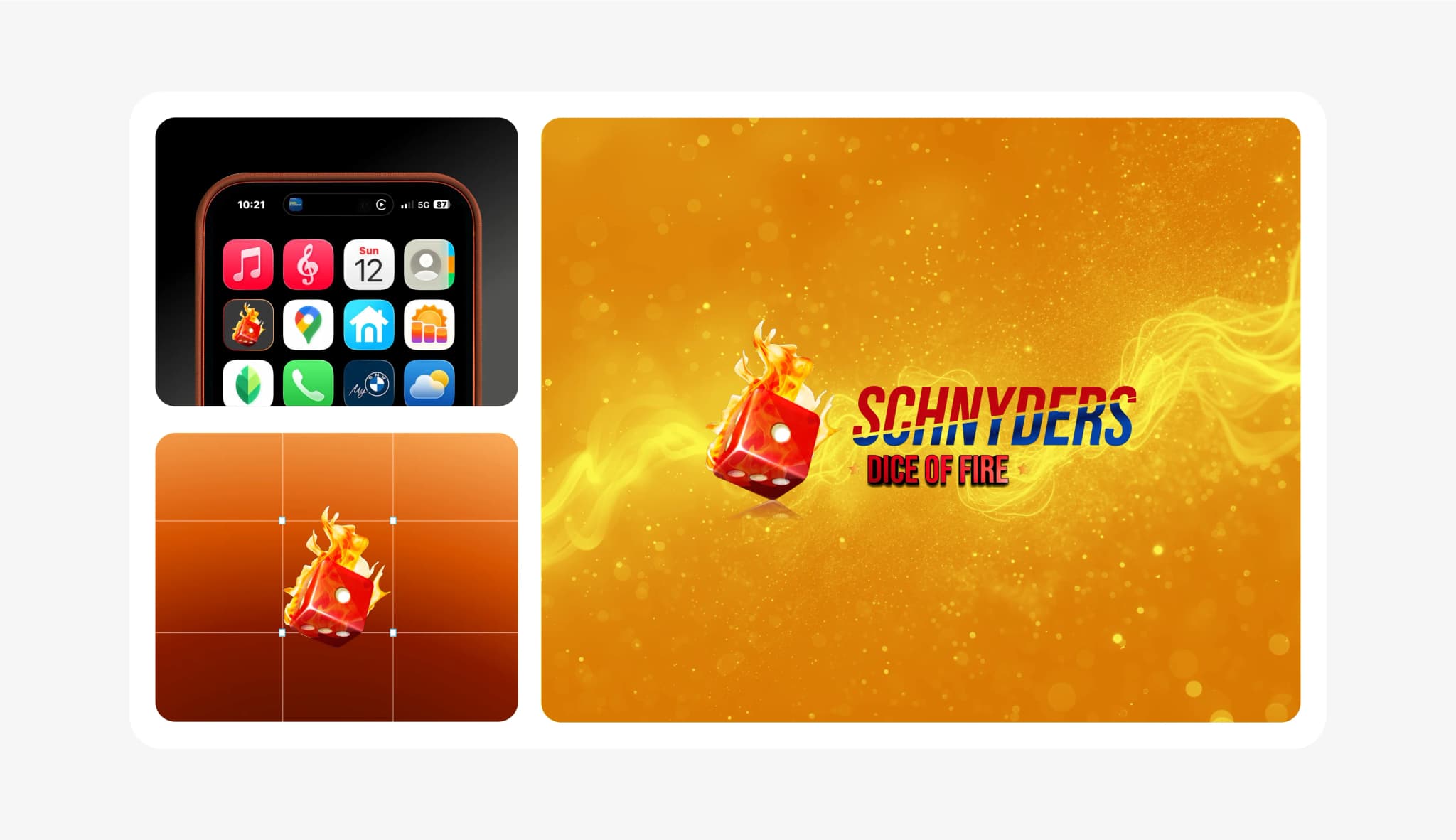
The Schnyder's Dice of Fire! logo and app icon
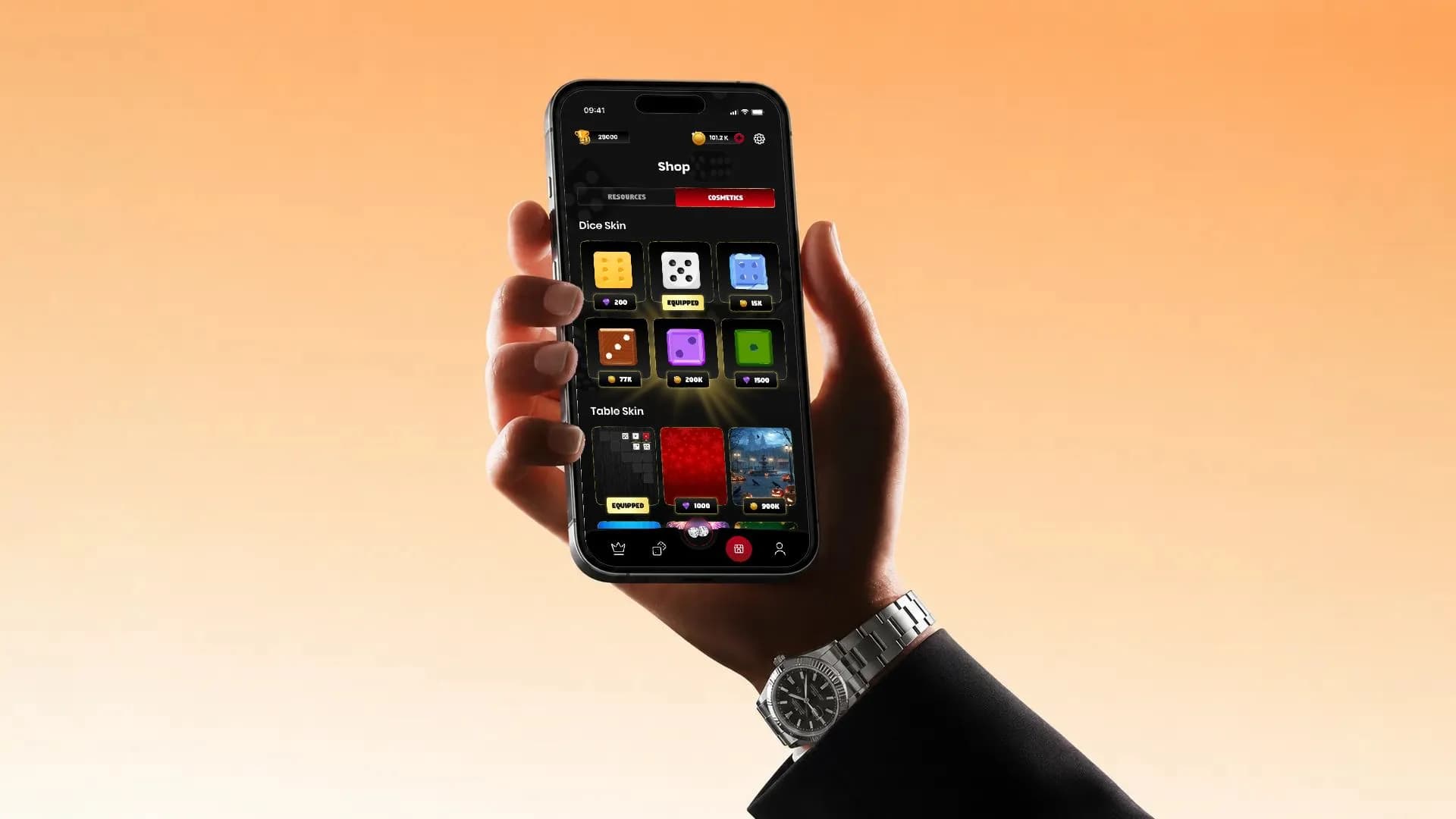
The screen line-up

Schnyder's Dice of Fire!

Schnyder's Dice of Fire! puts a competitive spin on a familiar game format. Developed by AppVertices for iOS and Android, the multiplayer dice game combines custom scoring with a simple but high-stakes decision: secure your points or take another roll. That mechanic becomes more engaging when players compete in real time, enter tournaments, climb leaderboards, and challenge friends.

Behind the game is a complete digital ecosystem built to handle much more than dice rolls. The platform brings together player progression, daily rewards, subscriptions, advertising, token purchases, competitive entries, social features, and administrative controls. AppVertices developed the mobile experience and the connected backend infrastructure to keep these systems working together as the game grows.

Multiplayer Dice GameCompetitive Gaming Platform

4.8

Targeted Rating

Mobile Game DevelopmentReal-Time Multiplayer SetupToken Economy DesignGame Administration

Turning A Simple Dice Mechanic Into A Full Gaming Experience

The idea behind Schnyder's Dice of Fire! centered on a dice game where every additional roll carries a decision. Players can bank their points or push their luck for a bigger score. Turning that concept into a complete multiplayer product meant building the systems around the game just as carefully as the game itself.

Real-time matches needed synchronized gameplay so players could see the same outcomes and move through a match without noticeable delays. Private games required invite-based access, while matchmaking needed to connect players for live competition. Tournament play added another layer, with token or subscription-based participation and leaderboard tracking.

The game required an active progression system between matches. Player levels, XP, achievements, login rewards, streak bonuses, daily tokens, and weekly rankings were integrated directly into the product experience. These layered features keep players engaged long-term, driving continuous activity across public matches, private lobbies, and competitive tournaments.

Monetization was another major part of the product architecture. The game supports a free ad-supported experience alongside premium subscriptions, token purchases, rewarded ads, and token-based competitive play. AppVertices connected these elements through a centralized backend so the client could manage the game economy rather than treating each revenue feature as a separate system.

Engineering The Systems Behind Every Roll

A multiplayer game requires reliable systems to manage player actions, timing, account data, and game outcomes. AppVertices built the frontend with Flutter and implemented Node.js with WebSockets for real-time communication between players and the game server. This setup supports live matches while keeping gameplay events synchronized across connected players throughout each session.

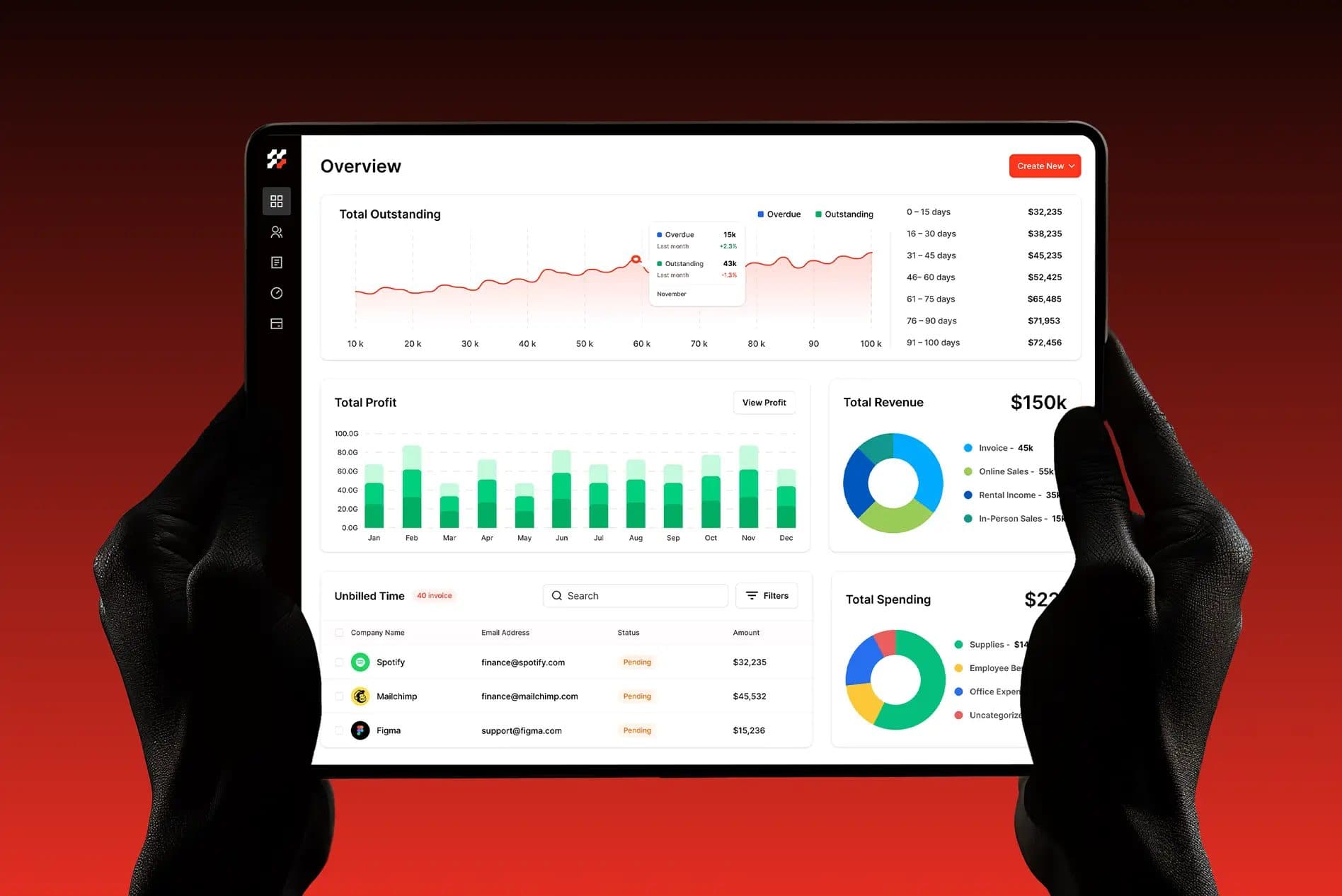
The architecture connects gameplay, accounts, competition, tokens, and administration through a centralized backend. Firebase Authentication handles user onboarding, while KYC verification supports eligible token-based competitive features. A dedicated Super Admin Panel gives the business direct control over users, subscriptions, promotions, tokens, gameplay activity, notifications, and platform settings from one administrative interface.

  1. The Roll Is Only The Beginning

    01

    At the center of the experience is a custom dice scoring system built around risk and reward. Players can protect their current score or roll again for a chance at a higher result. The system records wins, losses, scores, and relevant gameplay activity throughout each match, creating a consistent record for competitive play. Daily free tokens encourage players to return regularly, while XP, achievements, and progression features give them reasons to keep playing beyond a single session. Token-based gameplay also connects individual matches with the platform's wider competitive and reward systems.

  2. Casual Gameplay Meets Real Competition

    02

    Players can practice against AI through single-player mode or enter real-time multiplayer matches against other users. Private matches support invitations through codes or links, making it easier for friends to play together without entering public games. Tournament mode adds a more structured competitive experience for players seeking longer-form challenges. Global and weekly leaderboards give strong performers a visible position within the platform. Player levels, XP, and achievements add another progression layer, allowing users to build their profiles over time. Together, these features support casual sessions while providing deeper competitive experiences.

  3. A Social Layer Around The Gameplay

    03

    The platform extends beyond gameplay by giving players several ways to interact with one another. User profiles and avatars provide identity within the game, while statistics let players review their performance and progress. Friends lists make it easier to find and connect with other users, while challenges encourage direct competition between players. In-game chat and emoji reactions add communication during social interactions and matches. These features create a connected multiplayer environment rather than treating every game as a standalone session. Players can interact, challenge friends, compare performance, and remain engaged between matches.

  4. Monetization Without Splitting The Product

    04

    Schnyder's Dice of Fire! incorporates multiple revenue channels without separating them from the core gaming experience. The free version supports advertising, while subscriptions provide access to premium benefits. Players can purchase tokens through in-app purchases or earn additional tokens through rewarded advertisements. Token-based tournaments and competitive matches connect monetization directly with gameplay. The centralized token economy keeps purchases, rewards, entries, and payouts under consistent backend rules. This gives the business greater control over transactions while maintaining a connected player experience. The result is a monetization structure built into the platform rather than added as a separate layer.

Results Across Gameplay, Engagement, And Operations

The finished platform gave Schnyder's Dice of Fire! the technical foundation needed to operate as a multiplayer game rather than a basic mobile dice application. Its core systems work together to support competition, player progression, monetization, and day-to-day administration.

  1. More Reasons To Play

    Daily tokens, login rewards, streak bonuses, XP, achievements, tournaments, and leaderboards give players multiple ways to progress, stay active, and keep returning beyond individual matches.

  2. Real-Time Player Competition

    Live multiplayer matches, private games, tournaments, and global and weekly leaderboards create competitive experiences where players can challenge others, track performance, and compete for higher positions.

  3. Stronger Business Control

    Subscriptions, token purchases, advertising, rewarded ads, and competitive features support monetization, while the Super Admin Panel manages users, gameplay, KYC, promotions, notifications, and leaderboard settings.

Typography

Primary

Typography was selected to keep the interface clean, readable, and easy to scan across dark-mode screens and dense leaderboards. A modern sans serif system supports player stats, active turns, store prices, and data-heavy sections without making the experience feel technical or difficult for everyday players. It works across forms, buttons, and gameplay screens.

inter

  • Regular
  • Medium
  • Semibold
  • Bold

Color Pallets

Dark Slate / Card Surface#1F2937
Dark Charcoal / Base Background#0D0D0D
Royal Blue / Secondary Interactive#2563EB
Crimson Red / Primary Accent#DC2626
Gold / Reward & Token Highlight#EAB308
Cyan Teal / Secondary Accent#06B6D4

featured highlights from our expanded portfolio

01 Pride Real Estate

02 Embody Now

03 Baby Spacezone

04 ATX FleetFlow

Let's Build a Modern App Players Can't Put Down

AppVertices builds mobile games and digital products where the experience on the screen depends on strong technology behind it. From real-time multiplayer applications and custom software to AI-powered products, web platforms, and connected backend systems, our team handles the product from concept through development and deployment.

If your idea involves live interaction, complex business rules, subscriptions, payments, rewards, user accounts, or multiple platforms, the technology behind the product needs to be planned from the start. AppVertices brings product strategy, design, development, and backend engineering together to build that foundation.

Tell us what you want to build, how people will use it, and what you need the product to achieve. We can help turn the concept into a working digital product built for real users and real business requirements.

Book A Free Consultation

How can we help you?

Prefer email?sales@appvertices.io

Schnyder's Dice of Fire!

  • Multiplayer Dice Game
  • Competitive Gaming Platform
Schnyder's Dice of Fire! on two phones

4.8

Targeted Rating

Schnyder's Dice of Fire! puts a competitive spin on a familiar game format. Developed by AppVertices for iOS and Android, the multiplayer dice game combines custom scoring with a simple but high-stakes decision: secure your points or take another roll. That mechanic becomes more engaging when players compete in real time, enter tournaments, climb leaderboards, and challenge friends.

  • Mobile Game Development
  • Real-Time Multiplayer Setup
  • Token Economy Design
  • Game Administration
Match and leaderboard screens

Turning A Simple Dice Mechanic Into A Full Gaming Experience

The idea behind Schnyder's Dice of Fire! centered on a dice game where every additional roll carries a decision. Players can bank their points or push their luck for a bigger score. Turning that concept into a complete multiplayer product meant building the systems around the game just as carefully as the game itself.

Engineering The Systems

A multiplayer game requires reliable systems to manage player actions, timing, account data, and game outcomes. AppVertices built the frontend with Flutter and implemented Node.js with WebSockets for real-time communication between players and the game server. This setup supports live matches while keeping gameplay events synchronized across connected players throughout each session.

  • The Roll Is Only The Beginning

    01

    At the center of the experience is a custom dice scoring system built around risk and reward. Players can protect their current score or roll again for a chance at a higher result. The system records wins, losses, scores, and relevant gameplay activity throughout each match, creating a consistent record for competitive play. Daily free tokens encourage players to return regularly, while XP, achievements, and progression features give them reasons to keep playing beyond a single session. Token-based gameplay also connects individual matches with the platform's wider competitive and reward systems.

  • Casual Gameplay Meets Real Competition

    02

    Players can practice against AI through single-player mode or enter real-time multiplayer matches against other users. Private matches support invitations through codes or links, making it easier for friends to play together without entering public games. Tournament mode adds a more structured competitive experience for players seeking longer-form challenges. Global and weekly leaderboards give strong performers a visible position within the platform. Player levels, XP, and achievements add another progression layer, allowing users to build their profiles over time. Together, these features support casual sessions while providing deeper competitive experiences.

  • A Social Layer Around The Gameplay

    03

    The platform extends beyond gameplay by giving players several ways to interact with one another. User profiles and avatars provide identity within the game, while statistics let players review their performance and progress. Friends lists make it easier to find and connect with other users, while challenges encourage direct competition between players. In-game chat and emoji reactions add communication during social interactions and matches. These features create a connected multiplayer environment rather than treating every game as a standalone session. Players can interact, challenge friends, compare performance, and remain engaged between matches.

  • Monetization Without Splitting The Product

    04

    Schnyder's Dice of Fire! incorporates multiple revenue channels without separating them from the core gaming experience. The free version supports advertising, while subscriptions provide access to premium benefits. Players can purchase tokens through in-app purchases or earn additional tokens through rewarded advertisements. Token-based tournaments and competitive matches connect monetization directly with gameplay. The centralized token economy keeps purchases, rewards, entries, and payouts under consistent backend rules. This gives the business greater control over transactions while maintaining a connected player experience. The result is a monetization structure built into the platform rather than added as a separate layer.

The game's screens in a collage

Results Across Gameplay, Engagement, And Operations

  • More Reasons To Play

    Daily tokens, login rewards, streak bonuses, XP, achievements, tournaments, and leaderboards give players multiple ways to progress, stay active, and keep returning beyond individual matches.

  • Real-Time Player Competition

    Live multiplayer matches, private games, tournaments, and global and weekly leaderboards create competitive experiences where players can challenge others, track performance, and compete for higher positions.

  • Stronger Business Control

    Subscriptions, token purchases, advertising, rewarded ads, and competitive features support monetization, while the Super Admin Panel manages users, gameplay, KYC, promotions, notifications, and leaderboard settings.

The Schnyder's Dice of Fire! logo and app icon
The screen line-up

Client Stories

I worked with AppVertices on a mobile app project and was impressed by their professionalism and organized process from start to finish.
Nadim HusamHead of Digital Initiatives, Leading Transportation Ministry
AppVertices delivered a solid app for our real estate business. Their technical skills and constant support, especially from Max, made the process worthwhile.
Amanda ClarkCEO/Founder, Htown App
AppVertices built a custom internal system that simplified our workflows across departments. The intuitive interface and performance made a real difference.
David TherrienHead of Marketing, Manufacturing Company
As a CTO, I found their work exceptional. They delivered a secure, scalable dashboard with great usability and excellent post-launch support.
James DaileyCTO, Technology Company
AppVertices developed our AR science app, and it exceeded expectations. Their team felt like a true partner from day one, and the results speak for themselves.
Maria SmithCo-Founder, Scilens
We approached AppVertices to revamp the UI/UX of our online learning platform. Their design team transformed our user interface into an intuitive and engaging experience.
Allen MitchellCEO, Education Training Center

Let's Build a Modern

AppVertices builds mobile games and digital products where the experience on the screen depends on strong technology behind it. From real-time multiplayer applications and custom software to AI-powered products, web platforms, and connected backend systems, our team handles the product from concept through development and deployment.

If your idea involves live interaction, complex business rules, subscriptions, payments, rewards, user accounts, or multiple platforms, the technology behind the product needs to be planned from the start. AppVertices brings product strategy, design, development, and backend engineering together to build that foundation.

Tell us what you want to build, how people will use it, and what you need the product to achieve. We can help turn the concept into a working digital product built for real users and real business requirements.

Book A Free Consultation

How can we help you?

Prefer email?sales@appvertices.io