



When You Need Scalable Solutions
When the load is not the problem today but will be, and the cost of rebuilding later is higher than the cost of designing for it now. We size for the growth you can evidence, not the growth on the slide.
[Enterprise App Development]
Enterprise software fails on integration, governance and rollout far more often than on features. We build systems that survive contact with your existing stack — SSO, audit trails, role models and the migration plan that gets people onto them.
An enterprise build is judged by what it costs to run three years in, not by what it looked like at launch. We design for the handover: documented services, readable data models, and a team of yours that can change the thing without calling us.
That is also how we price it. You get a stage-by-stage schedule with named exit conditions, so the point at which you could take the work elsewhere is visible from the start.
4.5
4.8
4.8
Average Review Rating on Glassdoor
Average Review Rating on RightFirms
Average Review Rating on Clutch
Enterprise development is the right tool for a narrow set of problems and an expensive one for the rest. These are the three that justify it.
When the load is not the problem today but will be, and the cost of rebuilding later is higher than the cost of designing for it now. We size for the growth you can evidence, not the growth on the slide.
When people are keeping the business running in spreadsheets and re-keying the same record into three systems. The saving is real, it is measurable before we start, and it is the number we report against.
When a breach is a regulatory event rather than an incident. Access control, audit trails and data residency get designed in at the schema, because they cannot be added convincingly afterwards.




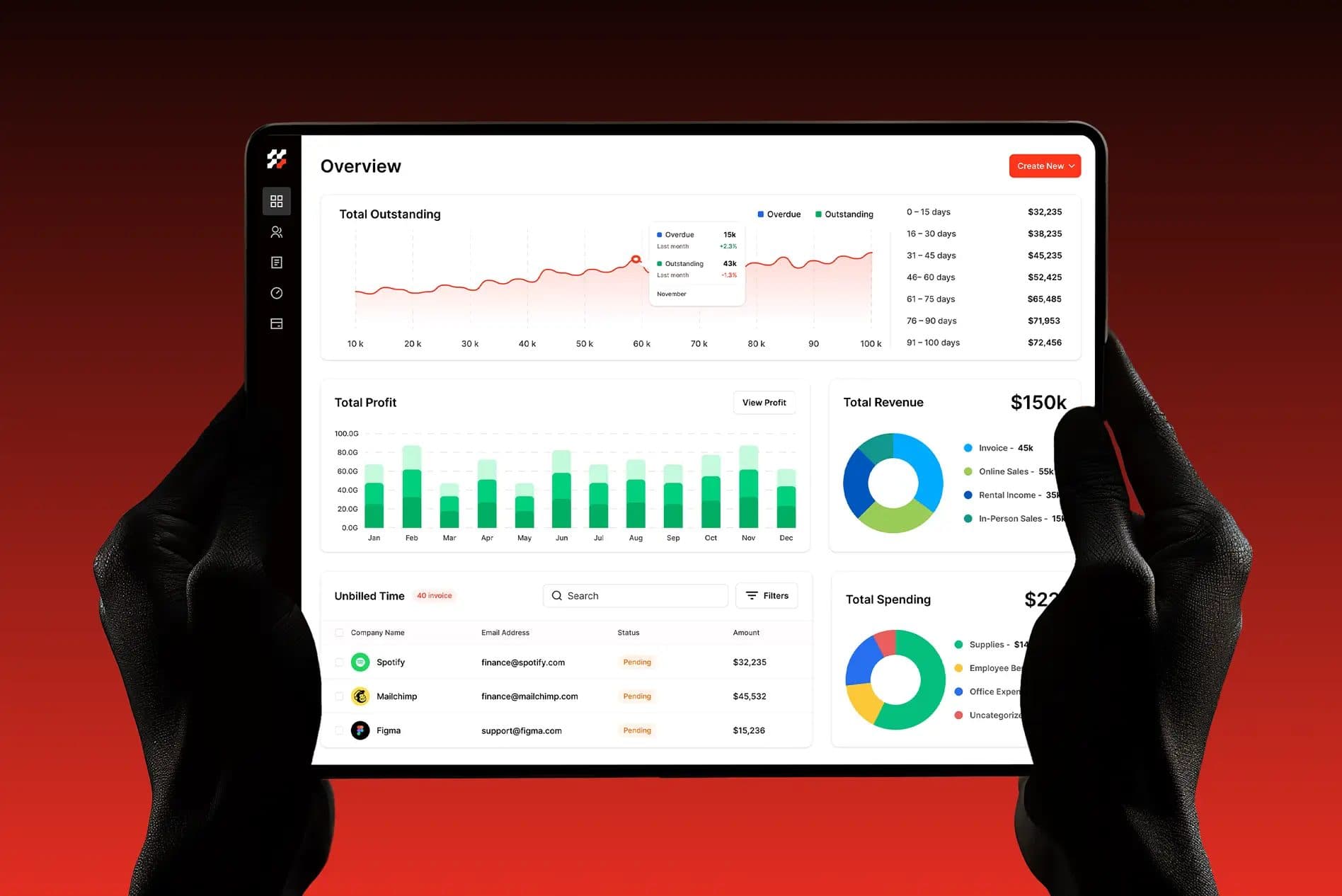
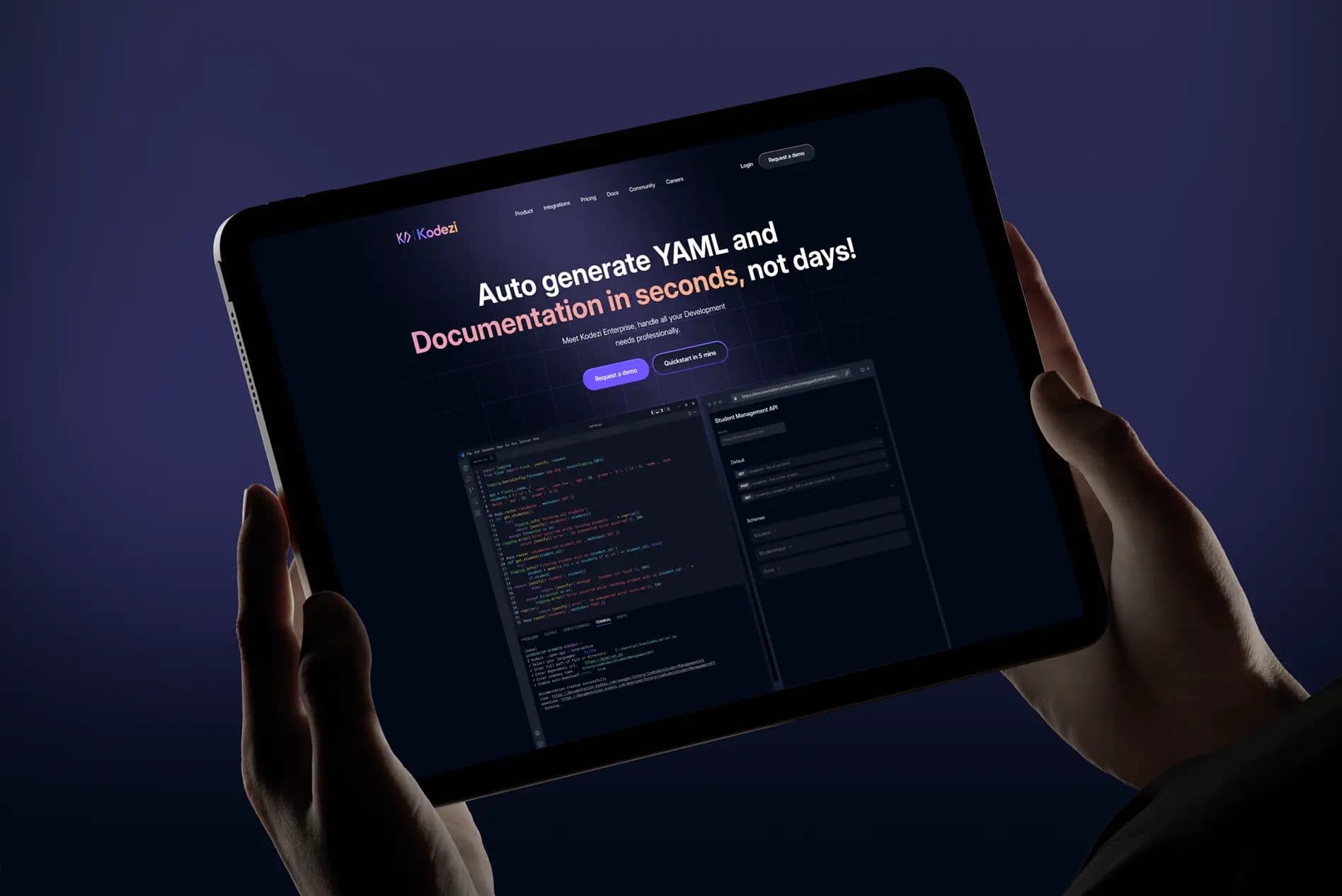
 View Project
 View Project
Baby Spacezone
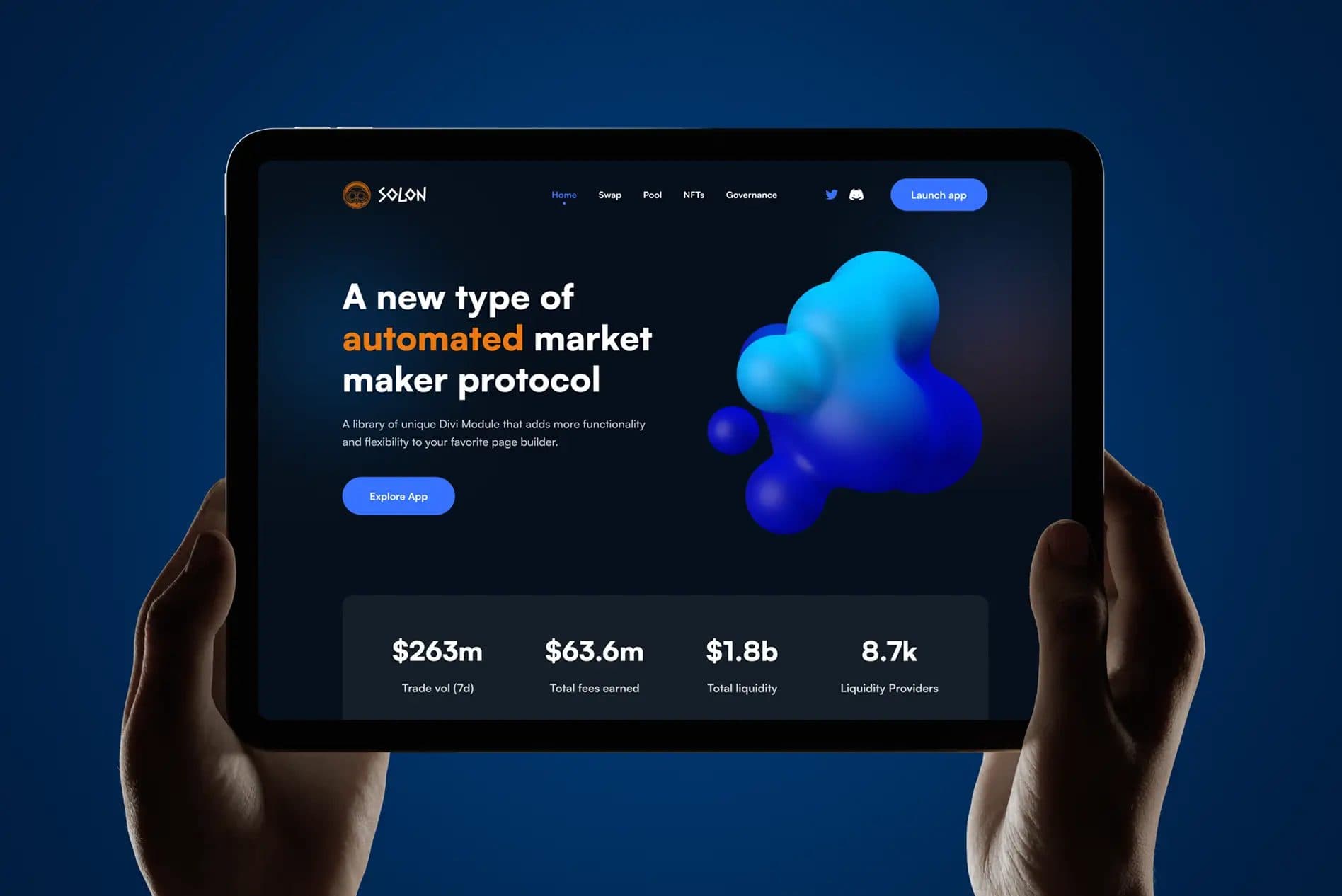 View ProjectView Project
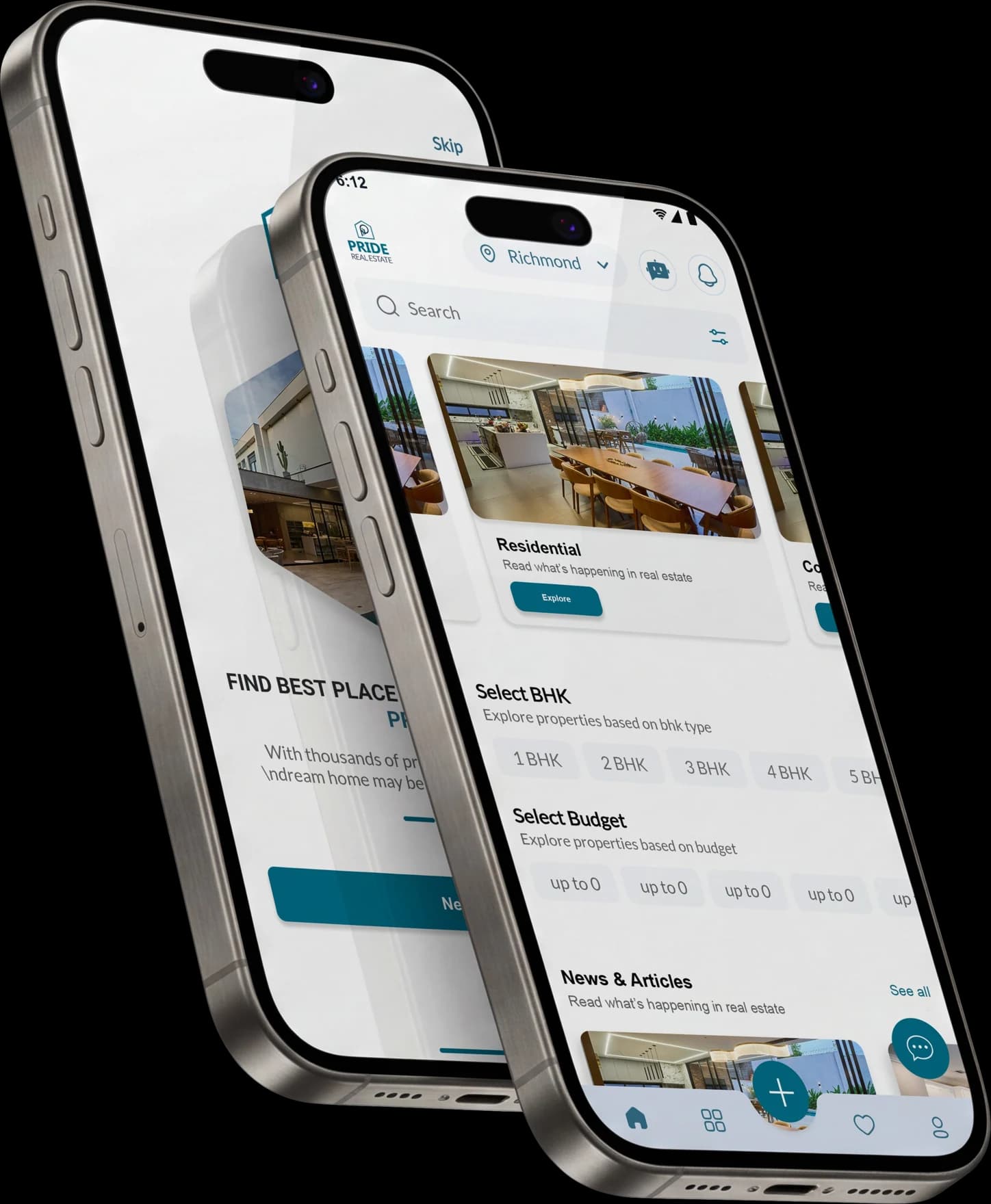
Pride Real Estate
 View ProjectView Project
Embody Now
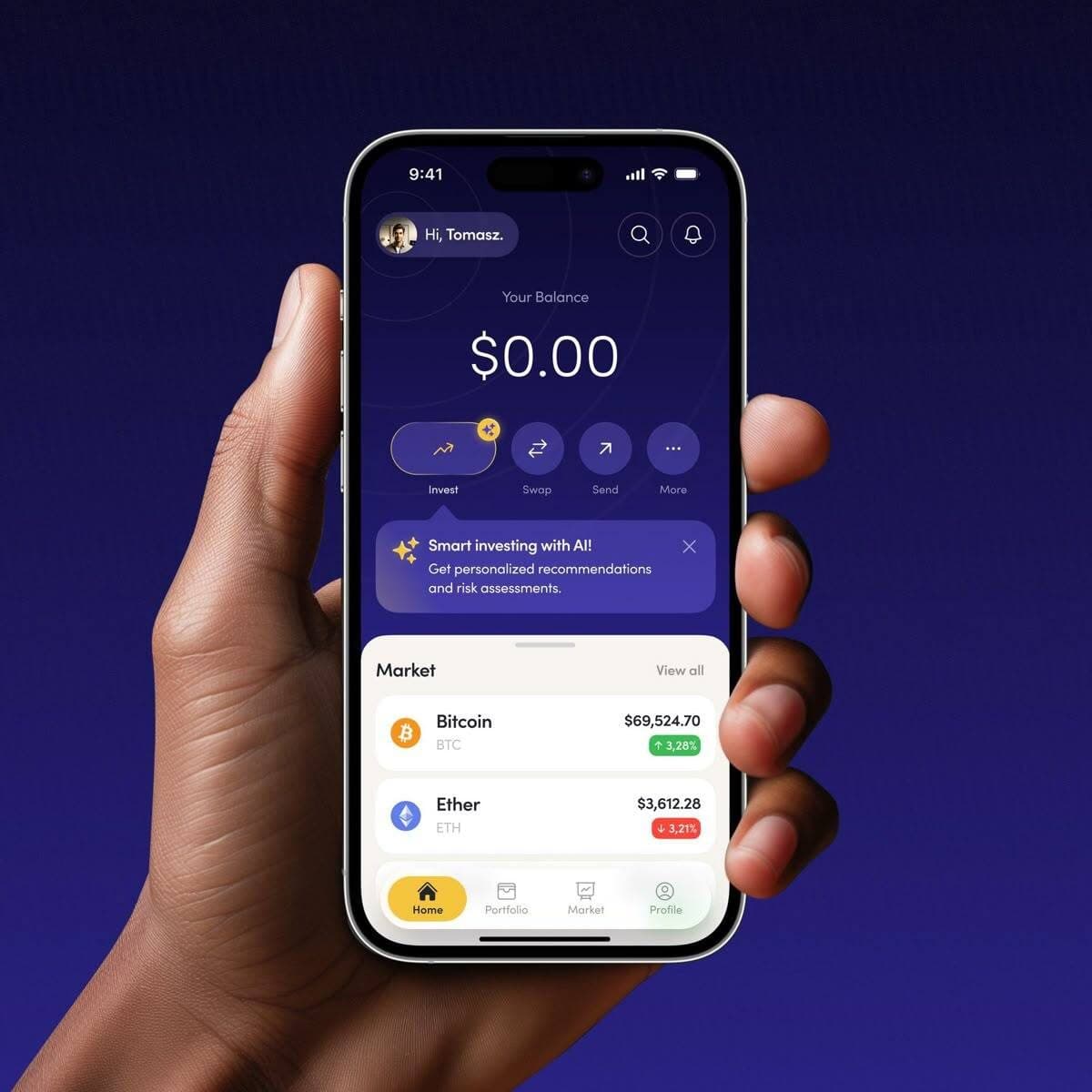 View ProjectView ProjectView ProjectView Project
Baby Spacezone
View ProjectView ProjectPride Real Estate
Six stages, each with an exit condition you can check yourself. Nothing moves forward because a date arrived.
We map the systems the app has to live with before we design anything — the integrations, the identity provider, the data owners, and whoever has to sign off. Most enterprise overruns are discovered here or paid for later.
Flows and screens for the people who will use this all day, reviewed with them rather than for them. Accessibility and role permissions are part of the design, not a pass at the end.
Vertical slices, each one demoable. Code review, CI and environment parity from the first commit, so the thing that runs in staging is the thing that ships.
Automated coverage on the paths that carry money or personal data, and manual testing on the rest. Load and penetration testing before launch, not after the first incident.
Staged rollout with a rollback that has actually been rehearsed. Migration, training and the cutover runbook are delivered with the build, because that is where enterprise launches usually fail.
Monitoring, patching and a support agreement that names response times and costs. Where you want it in-house, we document and hand over instead of holding the keys.
100+
Mobile App Support
140+
Clutch Review
200+
Industries Served
10+ Yrs
Of Experience
Recognition is a lagging indicator, which is the only reason it is worth anything. These came from delivery records and client references rather than from a submission fee. They are here so you can verify us before the first call rather than after the first invoice.

America's Fastest Growing Companies
America's Fastest Growing Top Web Development Agencies 2023

Silver Awards Winner 2020

Top 1000 Companies

Top Mobile App Development Company 2023

Top Entertainment App Developers

Best Mobile App Developer
Top App Development Companies

Web Excellence Awards
Top Entertainment App Developers
Excellence in Web Creativity & Digital Communication
Reviews collected by Clutch from the clients themselves, not gathered by us. The low scores are in there too.
$10,000 to $49,999
Dec 2024 – Sep 2025
An internal operations platform taken from a spreadsheet estate to a single system, through SSO, migration and a staged rollout across sites.
5.0
Quality
5.0
Schedule
5.0
Cost
5.0
Refer
5.0
“They really took the time to understand our business, our customer base, and our goals.”
Published on Clutch, where the full review and its ratings can be read in context.
President, Supplement King
Canada
11-50 Employees
Verified
Two engagements cover most of what enterprises actually ask for. Both are delivered against a written scope with named exit conditions, and both hand over documented.
Line-of-business systems built to your process rather than to a vendor's. Integrated with the stack you already run, with the data model and the access rules designed before the screens.
Apps for the people doing the work away from a desk — field, floor and warehouse. Offline-first where the signal is not guaranteed, and managed through your existing MDM.
The regulatory and integration constraints differ more than the software does. These are the six we have shipped into most often.






Because we will tell you when the answer is a configured off-the-shelf product rather than a build. That conversation costs us the project often enough to be worth saying out loud.
And because the handover is contractual. Documentation, environments and credentials are deliverables with acceptance criteria, not goodwill at the end of an invoice.
Five outcomes worth the spend, each one measurable before you commit to it.
Work that currently moves between inboxes, spreadsheets and three systems moves through one. The saving is in hours you can already count today.
Fewer context switches and less re-keying. People spend their day on the judgement calls the software cannot make instead of on moving records between tools.
Capacity that grows with the load rather than with a rebuild. We size for the growth you can evidence and leave the seams where the next team will need them.
Decisions against what is happening now, not against last month's export. One source of truth, with the definitions agreed before the dashboard is drawn.
Access control, audit trails and encryption designed at the schema. Built to survive the audit you will actually face rather than a generic checklist.
Four things you should expect from anyone at this level, and can hold us to in writing.
Teams who have shipped this class of system before and will tell you which part of your plan is the risky one.
Engagements that scale up and down against your roadmap, without renegotiating the whole contract to do it.
Your own access to the board, the repository and the environments. Progress is something you check, not something you are told.
Fixed scope, time and materials, or a dedicated team — priced against the one that fits the work rather than the one that suits us.
Compliance, integration and rollout constraints change with the sector. Tell us yours and we will tell you what it means for the build before you commit to one.
Each project is unique. Typical engagements range from 4-12 weeks depending on complexity. We provide a detailed project roadmap during initial consultation.
Tell us what you are building, who it is for and when it needs to be live. You will get a written scope, a realistic range, and a named engineer on the call rather than a sales deck.

[Enterprise App Development]
Enterprise software fails on integration, governance and rollout far more often than on features. We build systems that survive contact with your existing stack — SSO, audit trails, role models and the migration plan that gets people onto them.
An enterprise build is judged by what it costs to run three years in, not by what it looked like at launch. We design for the handover: documented services, readable data models, and a team of yours that can change the thing without calling us.
That is also how we price it. You get a stage-by-stage schedule with named exit conditions, so the point at which you could take the work elsewhere is visible from the start.
Enterprise development is the right tool for a narrow set of problems and an expensive one for the rest. These are the three that justify it.
When the load is not the problem today but will be, and the cost of rebuilding later is higher than the cost of designing for it now. We size for the growth you can evidence, not the growth on the slide.
When people are keeping the business running in spreadsheets and re-keying the same record into three systems. The saving is real, it is measurable before we start, and it is the number we report against.
When a breach is a regulatory event rather than an incident. Access control, audit trails and data residency get designed in at the schema, because they cannot be added convincingly afterwards.
Six stages, each with an exit condition you can check yourself. Nothing moves forward because a date arrived.
We map the systems the app has to live with before we design anything — the integrations, the identity provider, the data owners, and whoever has to sign off. Most enterprise overruns are discovered here or paid for later.
Flows and screens for the people who will use this all day, reviewed with them rather than for them. Accessibility and role permissions are part of the design, not a pass at the end.
Vertical slices, each one demoable. Code review, CI and environment parity from the first commit, so the thing that runs in staging is the thing that ships.
Automated coverage on the paths that carry money or personal data, and manual testing on the rest. Load and penetration testing before launch, not after the first incident.
Staged rollout with a rollback that has actually been rehearsed. Migration, training and the cutover runbook are delivered with the build, because that is where enterprise launches usually fail.
Monitoring, patching and a support agreement that names response times and costs. Where you want it in-house, we document and hand over instead of holding the keys.
Recognition is a lagging indicator, which is the only reason it is worth anything. These came from delivery records and client references rather than from a submission fee.
They are here so you can verify us before the first call rather than after the first invoice.
Reviews collected by Clutch from the clients themselves, not gathered by us. The low scores are in there too.
Two engagements cover most of what enterprises actually ask for. Both are delivered against a written scope with named exit conditions, and both hand over documented.
Line-of-business systems built to your process rather than to a vendor's. Integrated with the stack you already run, with the data model and the access rules designed before the screens.
Apps for the people doing the work away from a desk — field, floor and warehouse. Offline-first where the signal is not guaranteed, and managed through your existing MDM.
Because we will tell you when the answer is a configured off-the-shelf product rather than a build. That conversation costs us the project often enough to be worth saying out loud.
And because the handover is contractual. Documentation, environments and credentials are deliverables with acceptance criteria, not goodwill at the end of an invoice.
Schedule A Free Consultation SessionFive outcomes worth the spend, each one measurable before you commit to it.
Work that currently moves between inboxes, spreadsheets and three systems moves through one. The saving is in hours you can already count today.
Fewer context switches and less re-keying. People spend their day on the judgement calls the software cannot make instead of on moving records between tools.
Capacity that grows with the load rather than with a rebuild. We size for the growth you can evidence and leave the seams where the next team will need them.
Decisions against what is happening now, not against last month's export. One source of truth, with the definitions agreed before the dashboard is drawn.
Access control, audit trails and encryption designed at the schema. Built to survive the audit you will actually face rather than a generic checklist.
Four things you should expect from anyone at this level, and can hold us to in writing.
Teams who have shipped this class of system before and will tell you which part of your plan is the risky one.
Engagements that scale up and down against your roadmap, without renegotiating the whole contract to do it.
Your own access to the board, the repository and the environments. Progress is something you check, not something you are told.
Fixed scope, time and materials, or a dedicated team — priced against the one that fits the work rather than the one that suits us.
Compliance, integration and rollout constraints change with the sector. Tell us yours and we will tell you what it means for the build before you commit to one.
Get AI App ConsultationEach project is unique. Typical engagements range from 4-12 weeks depending on complexity. We provide a detailed project roadmap during initial consultation.
Yes, as a written agreement rather than a favour. It names what is covered, how quickly we respond and what it costs, including patching and the dependency upgrades that enterprise systems quietly need.
Most often e-commerce and retail, healthcare, fintech, logistics, proptech and enterprise SaaS. Where a sector carries regulation we have not shipped into before, we say so rather than learn it on your budget.
Fixed scope where the requirements are genuinely settled, time and materials where they are not, and a dedicated team where the work is ongoing. We will tell you which one your project actually is.
Yes — multi-system integrations, migrations off legacy platforms and phased rollouts across sites. Complexity is usually in the data and the cutover rather than the interface, and that is where the plan gets the most attention.