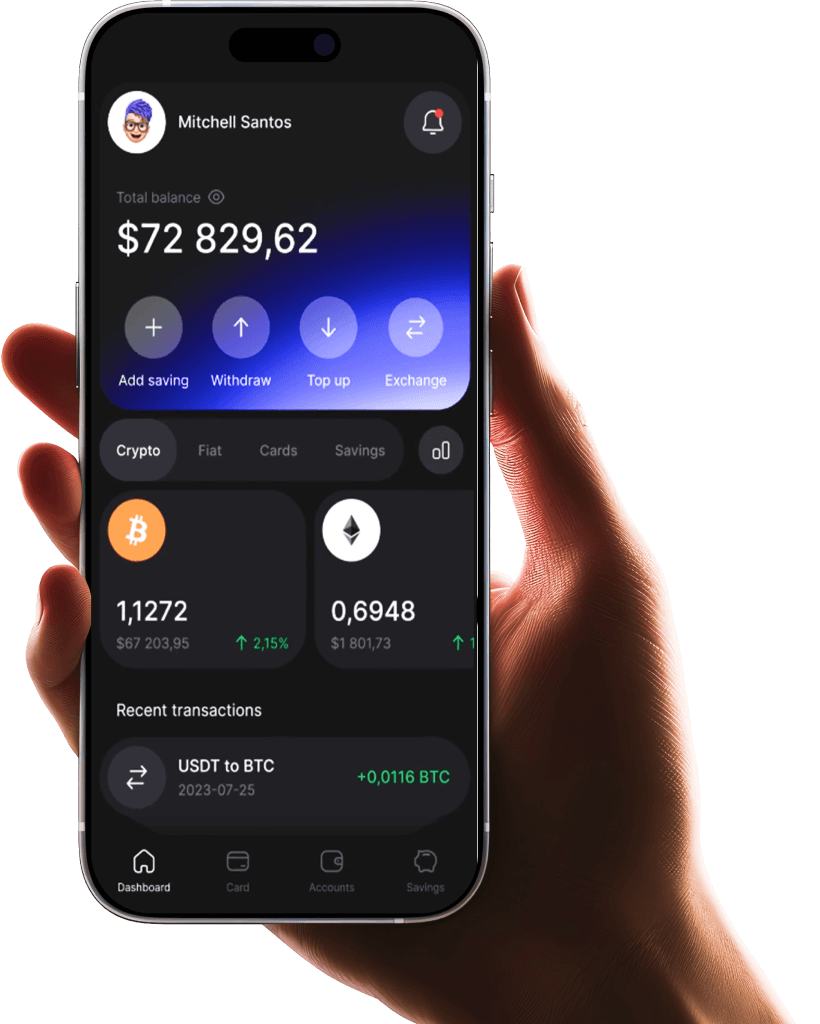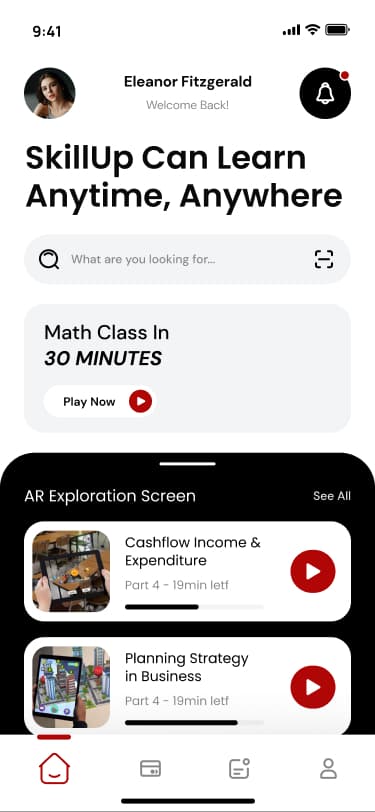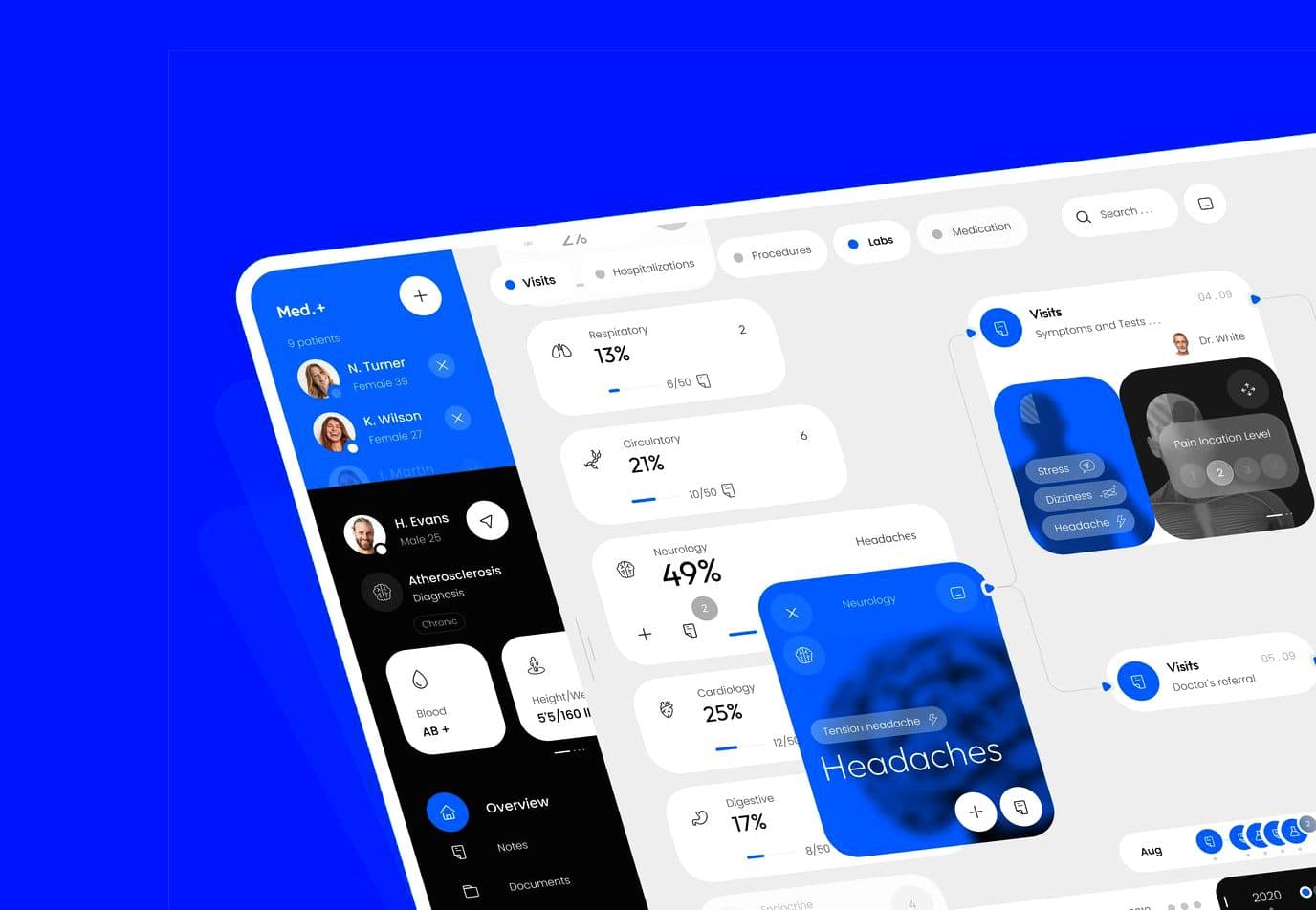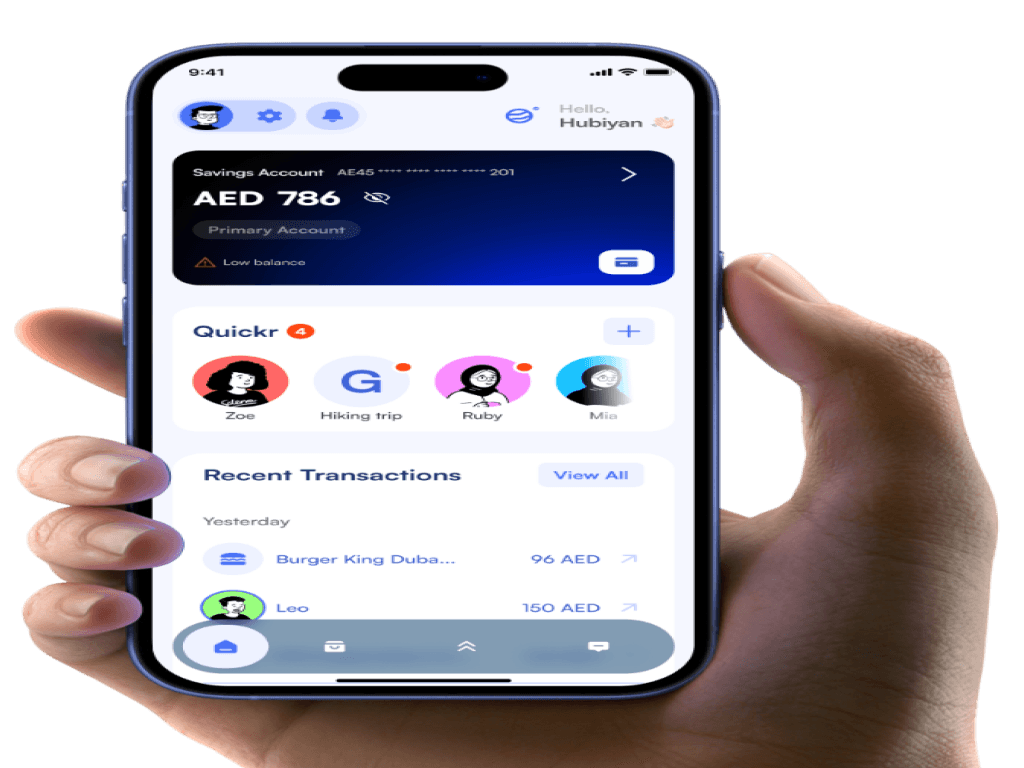







We create designs that help grow your business experience.
[ANDROID APP DEVELOPMENT]
AppVertices builds Android applications for businesses that need more than a product installed once and forgotten about. Development covers native Android engineering in Kotlin and Java, including architecture, device functionality, API connections, and the testing needed before an application reaches Google Play. Work spans interface design built around Android’s own conventions, backend systems, third-party integrations, and features like AI, payments, or real-time data where the product actually calls for them.









500+
Apps Built & Delivered
Trusted by startups and enterprises across the US.
We create designs that help grow your business experience.

We create designs that help grow your business experience.

We create designs that help grow your business experience.

We create designs that help grow your business experience.
Android app development involves designing, building, testing, deploying, and maintaining applications built specifically for Android devices. As users expect faster, smarter, and more personalized experiences, businesses increasingly add AI features such as chat assistants, recommendations, automation, voice capabilities, and predictive search into their Android products.
Android applications are typically built natively, using Kotlin and Java along with the Android SDK and modern tools like Jetpack Compose, which gives an app close access to device hardware, cameras, sensors, and background processing. Some businesses extend an existing Flutter or React Native product to Android rather than starting from scratch. The right approach depends on performance requirements, existing technology, target devices, and how the product is expected to grow.
AppVertices provides Android app development services for startups, enterprises, and growing businesses. From native development and app modernization to AI features, backend integrations, and quality testing, we build Android applications around your users, technical requirements, business goals, and long-term product plans.
Android now reaches an estimated 3.9 billion users worldwide, with that base projected to approach 4.5 billion by 2030. We build native Android applications in Kotlin and Java, covering architecture, device functionality, API integration, testing, performance, and security. Applications support different screen sizes, hardware configurations, and Android OS versions.
Many Android applications reach a point where outdated architecture, slow performance, or an aging interface starts working against the business rather than for it. We rebuild and modernize existing Android apps, addressing legacy code, deprecated APIs, and interfaces that no longer match current Android design standards, while preserving the functionality and data your users already depend on.
Enterprise Android projects usually involve more than a single app screen, often connecting to internal systems, managed devices, and specific security or compliance requirements. We build Android applications for internal workflows, field teams, and customer-facing platforms, with role-based access, secure data handling, and integration with existing business systems built in from the start.
AI is becoming a practical part of Android applications rather than an experimental add-on, showing up in recommendations, chat assistants, predictive search, and workflow automation. We design Android apps with AI features connected to APIs, models, and cloud services where they genuinely improve the product, keeping performance and battery use in mind rather than adding intelligence for its own sake.
Most Android applications depend on systems running outside the app itself, from payment processors to CRMs to internal databases. We build the API and backend connections Android apps need to exchange data securely and reliably, covering authentication, third-party services, cloud infrastructure, and the error handling that keeps an app stable when a connected service behaves unexpectedly.
Android’s device fragmentation makes testing more demanding than it is on a more uniform platform. We test Android applications across relevant OS versions, screen sizes, and hardware configurations, covering functional testing, performance under real conditions, security review, and the compatibility checks needed before Google Play submission.
 View Project
 View Project
Baby Spacezone
 View ProjectView Project
Pride Real Estate
 View ProjectView Project
Embody Now
 View ProjectView ProjectView ProjectView Project
Baby Spacezone
View ProjectView ProjectPride Real Estate
Most Android app projects start with a product idea, a business requirement, or an existing app that needs rebuilding rather than a finished specification. Share your goals, target users, core features, and technical requirements, and our US-focused team can help define the right architecture, technology stack, AI capabilities, and development scope. You do not need every detail finalized before getting started.
Our team brings together developers, designers, strategists and project managers who work closely throughout every project. We listen to feedback, solve the technical problems and keep the work moving toward its goals — which is usually what these clients end up talking about.

The US digital health market was valued at $82.2B in 2025 and is projected to reach $237B by 2030, growing at a 23.6% CAGR. We build Android apps for hospitals, clinics, healthcare providers, and digital health companies, covering telehealth, patient engagement, scheduling, remote monitoring, digital records, and secure communication.
Android’s wide device range matters for healthcare apps serving patients, clinicians, and field teams. We test across Android versions, screen sizes, hardware configurations, and network conditions while building around accessibility, authentication, and sensitive data handling.
Healthcare apps also need to work with the systems behind them. We connect Android applications with healthcare platforms, backend systems, APIs, diagnostics, and third-party services rather than creating another disconnected system.










Our Android app development process moves from early planning through design, development, testing, launch, and ongoing support. Each stage has a defined purpose, helping teams clarify requirements, make practical technical decisions, and prepare the application for reliable performance as features, users, and business requirements grow.
A successful Android app starts with a clear product plan, defined users, and realistic technical requirements. During discovery, we examine your business goals, target audience, core features, user workflows, existing systems, and launch priorities. For existing apps, we review the codebase, architecture, performance, and current user experience to identify what needs to change and what can stay.
We also assess the technical requirements behind the app, including Android SDK capabilities, device compatibility, backend systems, APIs, authentication, databases, and third-party services. This surfaces technical issues before development begins rather than after significant work has already been completed.
Our Android applications are built around modern development practices, reliable architecture, and technologies selected for the product’s actual requirements. From native Android interfaces and device capabilities to AI, APIs, and background services, each technical layer is planned for performance, compatibility, security, and long-term maintenance.
Modern Native Android Development
Kotlin is the primary language for modern Android development, while Jetpack Compose provides a flexible approach to building native interfaces. We use these technologies to create responsive screens, structured application architecture, reusable components, and maintainable Android products across supported devices.
What we’ve built with it
Native Android applications with modern interfaces, adaptive layouts, navigation, authentication, local data handling, push notifications, and API-connected features. Jetpack libraries also support lifecycle management, background tasks, and data persistence.
Intelligent Features Built Into Android Apps
AI can support practical Android features such as conversational assistants, recommendations, document processing, predictive search, image analysis, and workflow automation. We connect applications with suitable AI models, APIs, and cloud services based on the product’s requirements.
What we’ve built with it
Android applications with AI-powered search, chat functionality, personalized recommendations, content processing, predictive features, and automated workflows, connected to existing backend systems while keeping performance in focus.
Direct Access to Android Hardware
Android applications can work closely with device hardware and system capabilities, including cameras, GPS, Bluetooth, biometrics, sensors, notifications, and file storage. We integrate these capabilities into application workflows based on how users need to interact with the product.
What we’ve built with it
Apps with camera-based workflows, GPS tracking, location-aware services, barcode scanning, biometric authentication, Bluetooth connectivity, document capture, push notifications, and sensor-based functionality.
Connected Applications for Real-Time Operations
Modern Android apps often depend on backend systems for accounts, data, payments, notifications, analytics, and real-time updates. We connect Android applications with REST APIs, cloud services, databases, authentication systems, and the background processes the product requires.
What we’ve built with it
Android apps connected to payment gateways, CRM and ERP systems, cloud databases, user authentication, real-time data services, messaging platforms, analytics tools, and third-party APIs, with background processing designed around Android’s system limitations.
Businesses need more than Android developers who can build screens and features. They need a team that understands modern Android development, AI integration, security, APIs, cloud infrastructure, and Google Play requirements. AppVertices handles the technical side from planning through launch and ongoing updates, keeping the application ready for current devices and future platform changes.
We build with modern technologies such as Kotlin, Jetpack, Jetpack Compose, REST APIs, cloud services, and scalable backend systems. Projects can also include AI features, real-time functionality, biometric authentication, push notifications, location services, and secure payments, selected around your product requirements and roadmap.
AI is becoming a practical part of modern Android applications, from intelligent search and recommendations to chat assistants, automation, and predictive features. We design Android apps with AI capabilities where they improve the product, connected to models, APIs, databases, and cloud services while keeping the experience fast and useful.
Android runs across thousands of device configurations, making compatibility an important part of development. We test across relevant Android versions, screen sizes, resolutions, hardware capabilities, and performance levels, focusing on responsive interfaces, stable performance, and efficient resource use.
Android development continues after the initial release. New Android versions, device changes, security requirements, and user feedback can all require updates. We provide ongoing maintenance for bug fixes, OS compatibility, performance, security, analytics, and new features, with the same technical context staying with the project.
If your business needs an Android application built around real technical requirements rather than a generic template, we can help define the right architecture, technology stack, and development plan based on what your product actually needs to do.
Recognized for delivering high-quality software, mobile applications, and digital products that help businesses turn ideas into working technology. Our achievements reflect the experience, technical expertise, and commitment behind the products we build for startups, growing businesses, and established organizations.

America's Fastest Growing Companies
America's Fastest Growing Top Web Development Agencies 2023

Silver Awards Winner 2020

Top 1000 Companies
Top Mobile App Development Company 2023
Top Entertainment App Developers

Best Mobile App Developer
Top App Development Companies

Web Excellence Awards
Top Entertainment App Developers

Excellence in Web Creativity & Digital Communication
Mobile app development costs vary based on the platforms, features, design requirements, backend systems, integrations, and level of customization involved. A basic application usually requires less development work than a product with real-time functionality, payments, complex permissions, or advanced integrations. A clear project scope helps establish a more accurate estimate before development begins.
Tell us what you are building, who it is for and when it needs to be live. You will get a written scope, a realistic range, and a named engineer on the call rather than a sales deck.

[ANDROID APP DEVELOPMENT]
AppVertices builds Android applications for businesses that need more than a product installed once and forgotten about. Development covers native Android engineering in Kotlin and Java, including architecture, device functionality, API connections, and the testing needed before an application reaches Google Play. Work spans interface design built around Android’s own conventions, backend systems, third-party integrations, and features like AI, payments, or real-time data where the product actually calls for them.
Android app development involves designing, building, testing, deploying, and maintaining applications built specifically for Android devices. As users expect faster, smarter, and more personalized experiences, businesses increasingly add AI features such as chat assistants, recommendations, automation, voice capabilities, and predictive search into their Android products.
Android applications are typically built natively, using Kotlin and Java along with the Android SDK and modern tools like Jetpack Compose, which gives an app close access to device hardware, cameras, sensors, and background processing. Some businesses extend an existing Flutter or React Native product to Android rather than starting from scratch. The right approach depends on performance requirements, existing technology, target devices, and how the product is expected to grow.
AppVertices provides Android app development services for startups, enterprises, and growing businesses. From native development and app modernization to AI features, backend integrations, and quality testing, we build Android applications around your users, technical requirements, business goals, and long-term product plans.
Android now reaches an estimated 3.9 billion users worldwide, with that base projected to approach 4.5 billion by 2030. We build native Android applications in Kotlin and Java, covering architecture, device functionality, API integration, testing, performance, and security. Applications support different screen sizes, hardware configurations, and Android OS versions.
Many Android applications reach a point where outdated architecture, slow performance, or an aging interface starts working against the business rather than for it. We rebuild and modernize existing Android apps, addressing legacy code, deprecated APIs, and interfaces that no longer match current Android design standards, while preserving the functionality and data your users already depend on.
Enterprise Android projects usually involve more than a single app screen, often connecting to internal systems, managed devices, and specific security or compliance requirements. We build Android applications for internal workflows, field teams, and customer-facing platforms, with role-based access, secure data handling, and integration with existing business systems built in from the start.
AI is becoming a practical part of Android applications rather than an experimental add-on, showing up in recommendations, chat assistants, predictive search, and workflow automation. We design Android apps with AI features connected to APIs, models, and cloud services where they genuinely improve the product, keeping performance and battery use in mind rather than adding intelligence for its own sake.
Most Android applications depend on systems running outside the app itself, from payment processors to CRMs to internal databases. We build the API and backend connections Android apps need to exchange data securely and reliably, covering authentication, third-party services, cloud infrastructure, and the error handling that keeps an app stable when a connected service behaves unexpectedly.
Android’s device fragmentation makes testing more demanding than it is on a more uniform platform. We test Android applications across relevant OS versions, screen sizes, and hardware configurations, covering functional testing, performance under real conditions, security review, and the compatibility checks needed before Google Play submission.
Our team brings together developers, designers, strategists and project managers who work closely throughout every project. We listen to feedback, solve the technical problems and keep the work moving toward its goals — which is usually what these clients end up talking about.
The US digital health market was valued at $82.2B in 2025 and is projected to reach $237B by 2030, growing at a 23.6% CAGR. We build Android apps for hospitals, clinics, healthcare providers, and digital health companies, covering telehealth, patient engagement, scheduling, remote monitoring, digital records, and secure communication.
Android’s wide device range matters for healthcare apps serving patients, clinicians, and field teams. We test across Android versions, screen sizes, hardware configurations, and network conditions while building around accessibility, authentication, and sensitive data handling.
Healthcare apps also need to work with the systems behind them. We connect Android applications with healthcare platforms, backend systems, APIs, diagnostics, and third-party services rather than creating another disconnected system.
Our Android app development process moves from early planning through design, development, testing, launch, and ongoing support. Each stage has a defined purpose, helping teams clarify requirements, make practical technical decisions, and prepare the application for reliable performance as features, users, and business requirements grow.
A successful Android app starts with a clear product plan, defined users, and realistic technical requirements. During discovery, we examine your business goals, target audience, core features, user workflows, existing systems, and launch priorities. For existing apps, we review the codebase, architecture, performance, and current user experience to identify what needs to change and what can stay.
We also assess the technical requirements behind the app, including Android SDK capabilities, device compatibility, backend systems, APIs, authentication, databases, and third-party services. This surfaces technical issues before development begins rather than after significant work has already been completed.
Our Android applications are built around modern development practices, reliable architecture, and technologies selected for the product’s actual requirements. From native Android interfaces and device capabilities to AI, APIs, and background services, each technical layer is planned for performance, compatibility, security, and long-term maintenance.
Modern Native Android Development
Kotlin is the primary language for modern Android development, while Jetpack Compose provides a flexible approach to building native interfaces. We use these technologies to create responsive screens, structured application architecture, reusable components, and maintainable Android products across supported devices.
What we’ve built with it
Native Android applications with modern interfaces, adaptive layouts, navigation, authentication, local data handling, push notifications, and API-connected features. Jetpack libraries also support lifecycle management, background tasks, and data persistence.
Intelligent Features Built Into Android Apps
AI can support practical Android features such as conversational assistants, recommendations, document processing, predictive search, image analysis, and workflow automation. We connect applications with suitable AI models, APIs, and cloud services based on the product’s requirements.
What we’ve built with it
Android applications with AI-powered search, chat functionality, personalized recommendations, content processing, predictive features, and automated workflows, connected to existing backend systems while keeping performance in focus.
Direct Access to Android Hardware
Android applications can work closely with device hardware and system capabilities, including cameras, GPS, Bluetooth, biometrics, sensors, notifications, and file storage. We integrate these capabilities into application workflows based on how users need to interact with the product.
What we’ve built with it
Apps with camera-based workflows, GPS tracking, location-aware services, barcode scanning, biometric authentication, Bluetooth connectivity, document capture, push notifications, and sensor-based functionality.
Connected Applications for Real-Time Operations
Modern Android apps often depend on backend systems for accounts, data, payments, notifications, analytics, and real-time updates. We connect Android applications with REST APIs, cloud services, databases, authentication systems, and the background processes the product requires.
What we’ve built with it
Android apps connected to payment gateways, CRM and ERP systems, cloud databases, user authentication, real-time data services, messaging platforms, analytics tools, and third-party APIs, with background processing designed around Android’s system limitations.
Businesses need more than Android developers who can build screens and features. They need a team that understands modern Android development, AI integration, security, APIs, cloud infrastructure, and Google Play requirements. AppVertices handles the technical side from planning through launch and ongoing updates, keeping the application ready for current devices and future platform changes.
We build with modern technologies such as Kotlin, Jetpack, Jetpack Compose, REST APIs, cloud services, and scalable backend systems. Projects can also include AI features, real-time functionality, biometric authentication, push notifications, location services, and secure payments, selected around your product requirements and roadmap.
AI is becoming a practical part of modern Android applications, from intelligent search and recommendations to chat assistants, automation, and predictive features. We design Android apps with AI capabilities where they improve the product, connected to models, APIs, databases, and cloud services while keeping the experience fast and useful.
Android runs across thousands of device configurations, making compatibility an important part of development. We test across relevant Android versions, screen sizes, resolutions, hardware capabilities, and performance levels, focusing on responsive interfaces, stable performance, and efficient resource use.
Android development continues after the initial release. New Android versions, device changes, security requirements, and user feedback can all require updates. We provide ongoing maintenance for bug fixes, OS compatibility, performance, security, analytics, and new features, with the same technical context staying with the project.
If your business needs an Android application built around real technical requirements rather than a generic template, we can help define the right architecture, technology stack, and development plan based on what your product actually needs to do.
Recognized for delivering high-quality software, mobile applications, and digital products that help businesses turn ideas into working technology. Our achievements reflect the experience, technical expertise, and commitment behind the products we build for startups, growing businesses, and established organizations.
America's Fastest Growing Companies
America's Fastest Growing Top Web Development Agencies 2023
Silver Awards Winner 2020
Top 1000 Companies
Top Mobile App Development Company 2023
Top Entertainment App Developers
Best Mobile App Developer
Top App Development Companies
Web Excellence Awards
Top Entertainment App Developers
Excellence in Web Creativity & Digital Communication
Mobile app development costs vary based on the platforms, features, design requirements, backend systems, integrations, and level of customization involved. A basic application usually requires less development work than a product with real-time functionality, payments, complex permissions, or advanced integrations. A clear project scope helps establish a more accurate estimate before development begins.
Mobile app development timelines depend on the application’s features, number of platforms, design requirements, backend architecture, and integrations. A straightforward application can move from planning to launch faster than a complex product with custom systems. AppVertices breaks development into defined stages, so timelines and priorities become clearer as requirements are finalized during planning.
Native development creates separate applications for iOS and Android, offering strong performance and deeper access to platform-specific features. Cross-platform development with Flutter or React Native uses shared code to support both platforms, which can simplify development and maintenance. The right approach depends on your application’s functionality, performance requirements, device features, budget, and long-term plans.
Yes. AppVertices develops mobile applications for both iOS and Android, using native technologies such as Swift, Kotlin, and Java, as well as cross-platform frameworks including Flutter and React Native. The approach depends on your product requirements, target audience, functionality, and technical priorities. Applications can also connect with APIs, databases, payment systems, and authentication services.
Yes. AppVertices provides post-launch mobile app support covering bug fixes, performance improvements, compatibility updates, monitoring, and ongoing maintenance. Applications may need updates as operating systems, devices, third-party services, and user requirements change. Support can also include new features based on real usage and feedback.